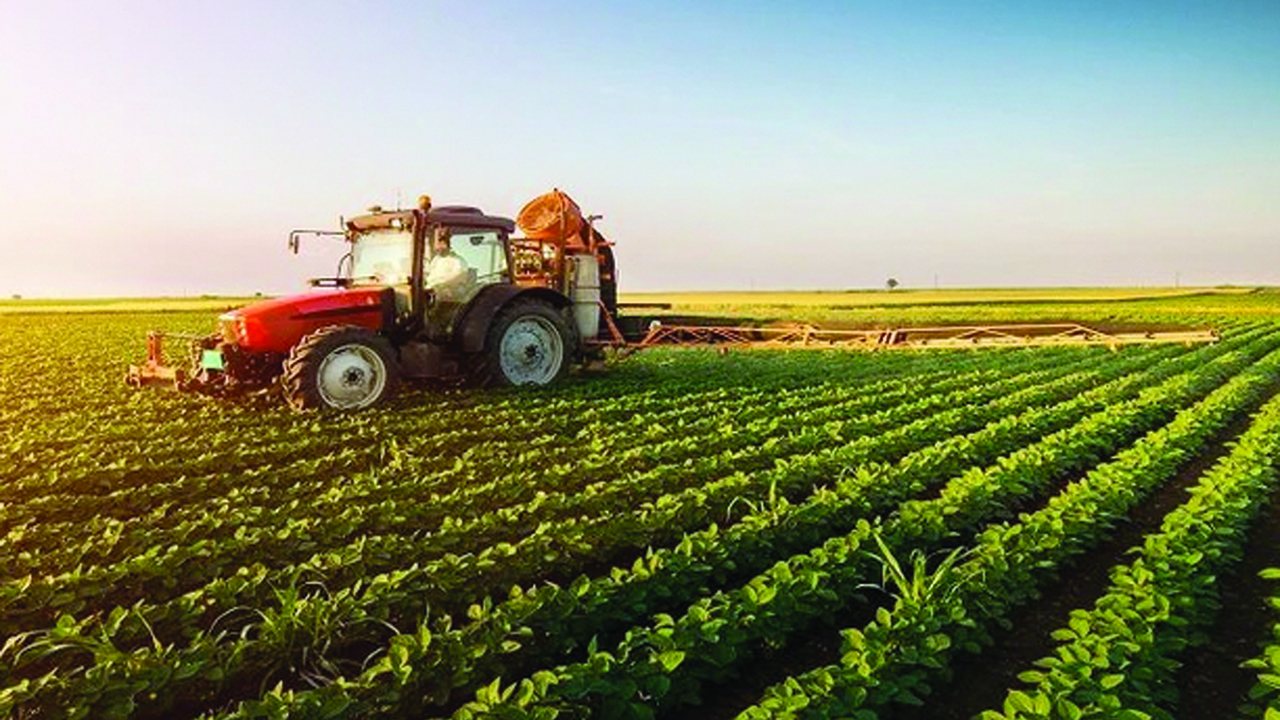
This article discusses the importance of agricultural extension services and knowledge sharing in promoting sustainable agriculture. It highlights the role of extension workers, the challenges they face, and the various approaches used to share knowledge among farmers.
Agriculture is a complex and constantly evolving field, and farmers need access to the latest information and technology to keep up with the latest trends and techniques. This is where agricultural extension services come in.
Extension services provide farmers with the knowledge and skills they need to improve their productivity, profitability, and sustainability. In this article, we will explore the importance of agricultural extension services and knowledge sharing, the challenges faced by extension workers, and the different approaches used to share knowledge among farmers.
Role of Extension Workers
Extension workers play a critical role in promoting sustainable agriculture by providing farmers with the latest information, technology, and best practices in agriculture. They act as a bridge between farmers and researchers, helping to bring new technology and techniques to the field.
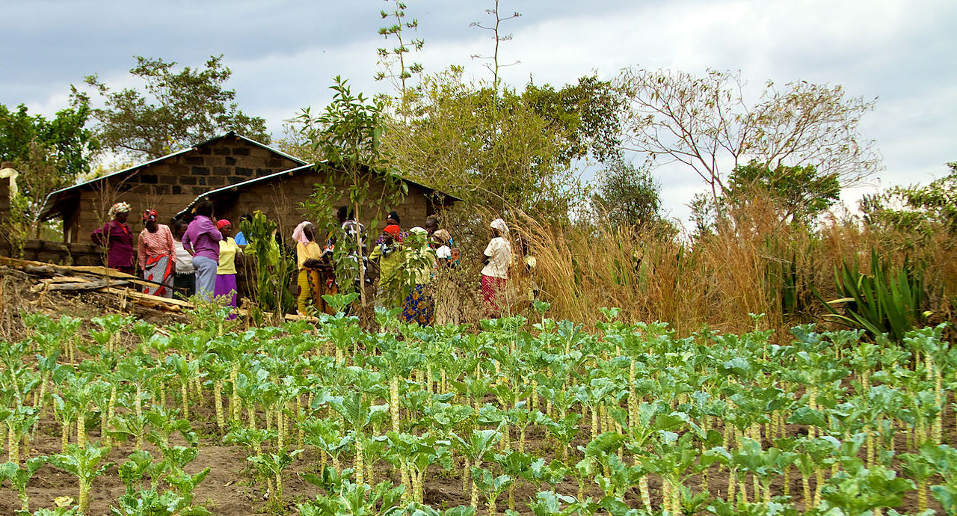
Extension workers work with farmers to help them adopt new techniques and provide them with ongoing support and guidance. They can provide farmers with a range of services, including:
- Training: Extension workers provide farmers with training on new techniques and technologies to improve their productivity and profitability. They also help farmers to adopt sustainable farming practices that conserve natural resources and protect the environment.
- Technical Support: Extension workers provide farmers with technical support, helping them to solve problems and overcome challenges in their farming operations. This can include advice on crop management, pest and disease control, and soil health.
- Access to Information: Extension workers provide farmers with access to the latest information on agricultural research, technology, and best practices. They also help farmers to understand the implications of changes in government policies and market conditions.
- Networking: Extension workers help farmers to connect with other farmers, researchers, and industry experts. This helps farmers to learn from each other, share knowledge and experiences, and build strong networks that can support their farming operations.
Overall, extension workers play a crucial role in promoting sustainable agriculture by providing farmers with the knowledge and skills they need to improve their productivity, profitability, and sustainability.
They are key to building the capacity of farmers to adapt to changing conditions, and to promoting the development of a sustainable and prosperous agriculture sector.
Challenges faced by Extension Workers
Extension workers play an essential role in promoting sustainable agriculture by providing farmers with the latest information, technology, and best practices in agriculture. However, they face several challenges in the course of their work.
Here are some of the key challenges faced by extension workers in agrotech:
- Limited Resources: Extension workers often work with limited resources, such as staff, funding, and equipment. This can limit their ability to provide high-quality services to farmers, conduct research and development activities, and reach out to remote areas.
- Communication and Language Barriers: Extension workers may face communication and language barriers when working with farmers who speak different languages or dialects. This can make it challenging to communicate complex technical information or provide effective training and support.
- Lack of Trust: Extension workers may face a lack of trust from farmers who are skeptical of their advice or the technologies and practices they promote. This can be due to past negative experiences or a lack of understanding about the benefits of new technologies.
- Limited Access to Technology: Extension workers may face limited access to technology, such as computers and mobile phones, which can make it challenging to communicate with farmers or access up-to-date information on agriculture.
- Resistance to Change: Extension workers may face resistance to change from farmers who are reluctant to adopt new practices or technologies. This can be due to concerns about the cost, risk, or effectiveness of new technologies.
- Limited Government Support: Extension workers may face limited support from the government, such as inadequate funding, inadequate staffing, and limited training opportunities. This can make it challenging to deliver high-quality services to farmers and promote sustainable agriculture effectively.
- Limited Access to Markets: Extension workers may face limited access to markets, which can make it challenging to help farmers connect with buyers and access fair prices for their products. This can limit the profitability and sustainability of farming operations.
- Climate Change and Environmental Challenges: Extension workers may face the challenge of climate change and environmental degradation, which can affect the productivity and sustainability of farming operations. This requires the adoption of new practices and technologies that are adapted to changing environmental conditions.
In conclusion, extension workers face several challenges in the course of their work, which can make it challenging to promote sustainable agriculture effectively.
Addressing these challenges requires a collaborative effort between extension workers, farmers, governments, NGOs, and other stakeholders in the agriculture sector.
By working together, we can overcome these challenges and promote the development of a sustainable and prosperous agriculture sector.
Approaches to Knowledge Sharing
There are a variety of approaches to knowledge sharing used by extension workers, ranging from traditional methods like workshops and demonstrations to more innovative approaches like mobile phone apps and social media.
One of the most effective approaches is peer-to-peer learning, where farmers learn from each other through farmer field schools, community-based organizations, and other grassroots initiatives.
This approach is effective because it takes into account the local context and builds on existing knowledge and expertise. Another approach to knowledge sharing is the use of digital technologies.
Mobile phone apps, social media platforms, and other digital tools can be used to reach farmers in remote or hard-to-reach areas, providing them with real-time information on weather, pests, and other important factors affecting their crops.
Digital technologies can also be used to provide farmers with access to markets, helping them to sell their products at a fair price.
Role of Governments and NGOs
Governments and NGOs play a critical role in supporting agricultural extension services and knowledge sharing. They can provide funding and resources to extension workers, develop policies and programs that promote sustainable agriculture and work with local communities to build capacity and improve access to information and technology. In many cases, governments and NGOs also partner with private sector organizations to promote innovation and investment in agriculture.
Challenges and Opportunities
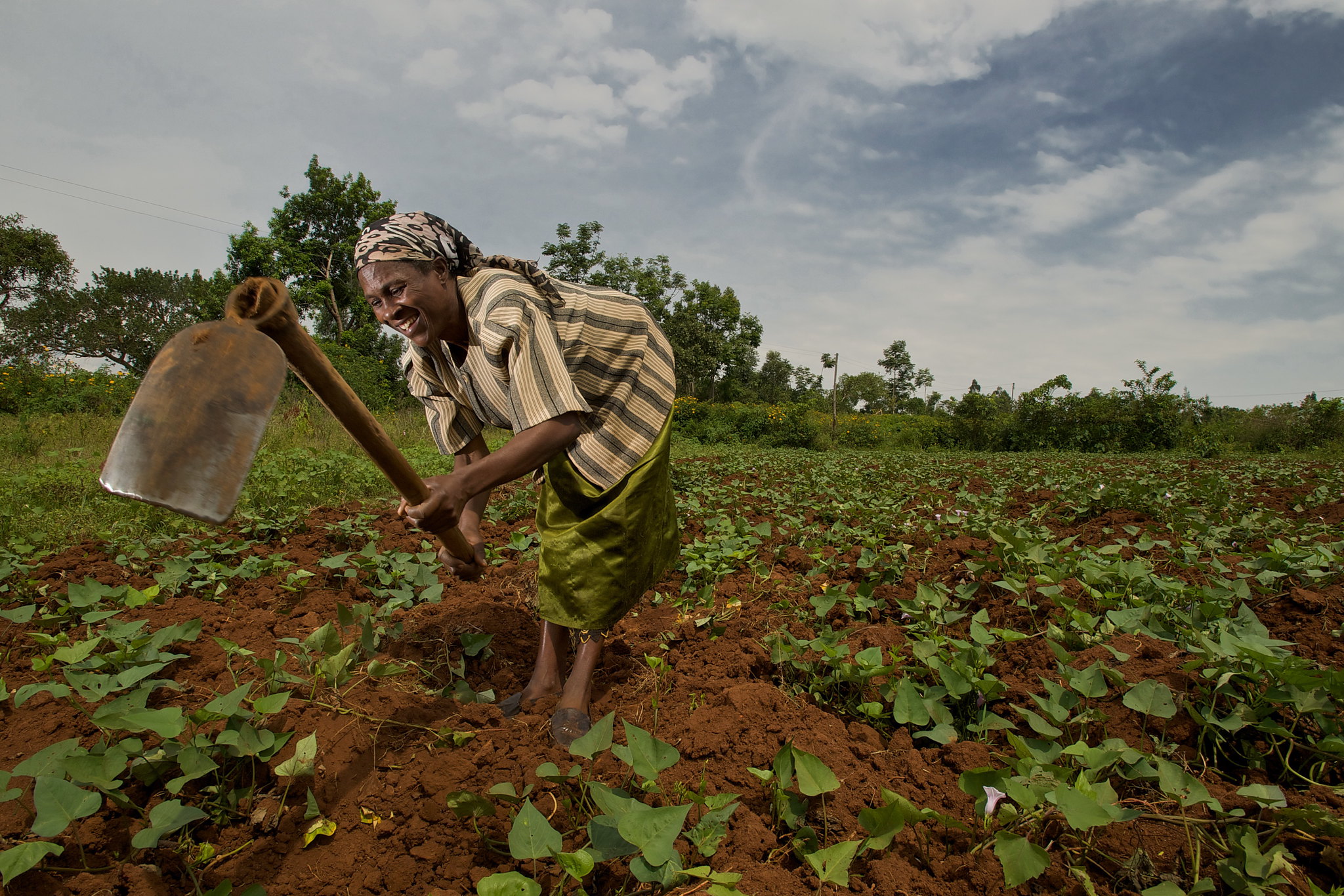
While there are many challenges to promoting sustainable agriculture through agricultural extension services and knowledge sharing, there are also many opportunities. Advances in technology, including digital tools and precision agriculture, offer new and innovative ways to reach farmers and provide them with the information and resources they need to succeed.
In addition, there is growing recognition of the importance of sustainable agriculture in promoting food security, reducing poverty, and protecting the environment, which has led to increased investment and support for agricultural extension services and knowledge sharing.
Conclusion
Agricultural extension services and knowledge sharing are critical to promoting sustainable agriculture and improving the livelihoods of farmers around the world. While there are many challenges to overcome.
There are also many opportunities for innovation and collaboration. By working together, governments, NGOs, extension workers, and farmers can create a more sustainable and prosperous future for agriculture.