e-NAM links 1,656 mandis and has recorded INR 4.84 lakh crore of trade, but inter-state buying is still small. How it works, what the evidence says and where the openings are for business.
India imported 151.64 lakh tonnes of edible oils in the 11 months to September 2026. How the trade works, how duties have moved since 2024 and what the oilseed missions aim to change.
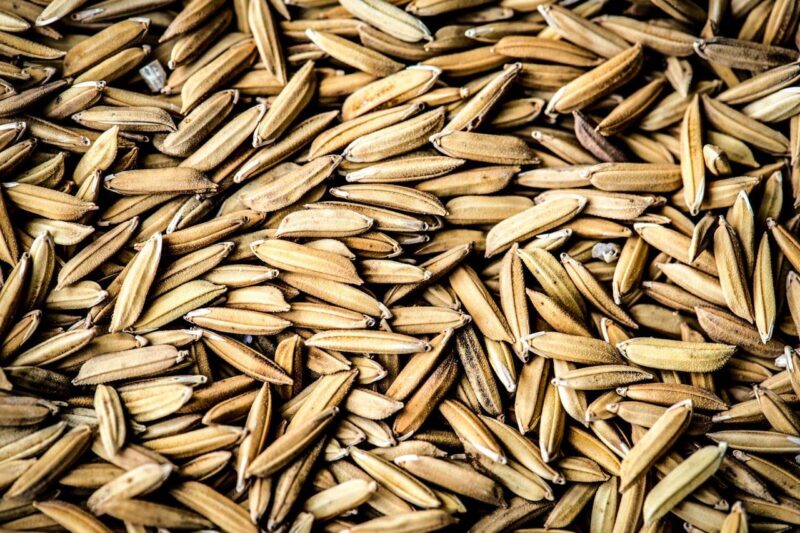
The 15 October Grain Market Report puts 2026/27 rice production at 536m t, down 2% and including a 6m t decline in India, and raises the total grains forecast by 7m t to 2,427m t.
Edible oil imports were 15.44 lakh tonnes in September 2026, the Solvent Extractors' Association says, while crude palm oil's rise left refined oils at 5% of imports for the oil year.
Arrivals reached 21 lakh tonnes and payments Rs 2,511 crore, Punjab's food minister said, as unseasonal rain on 11 October soaked paddy in several mandis.
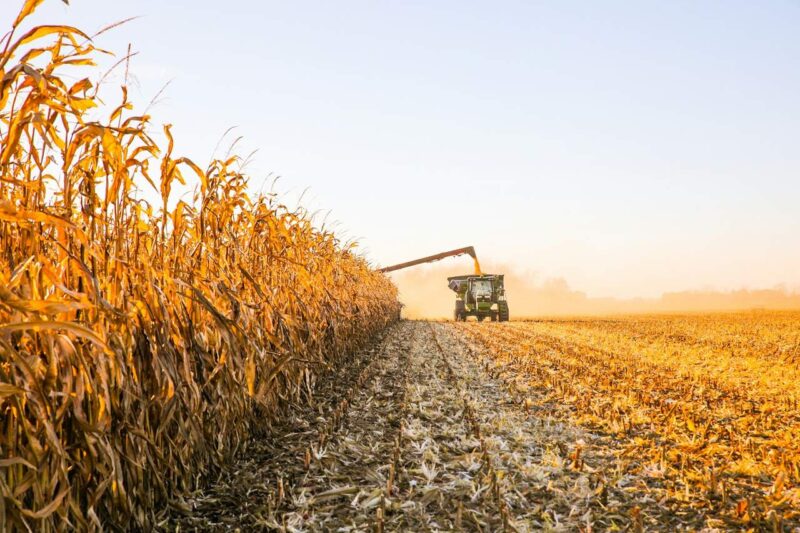
October WASDE raises the US corn yield 2.7 bushels to 181.2 per acre and cuts India's 2026/27 rice exports to 24.00 million tonnes from 25.00 million. World rice stocks rise to 198.5 million tonnes.
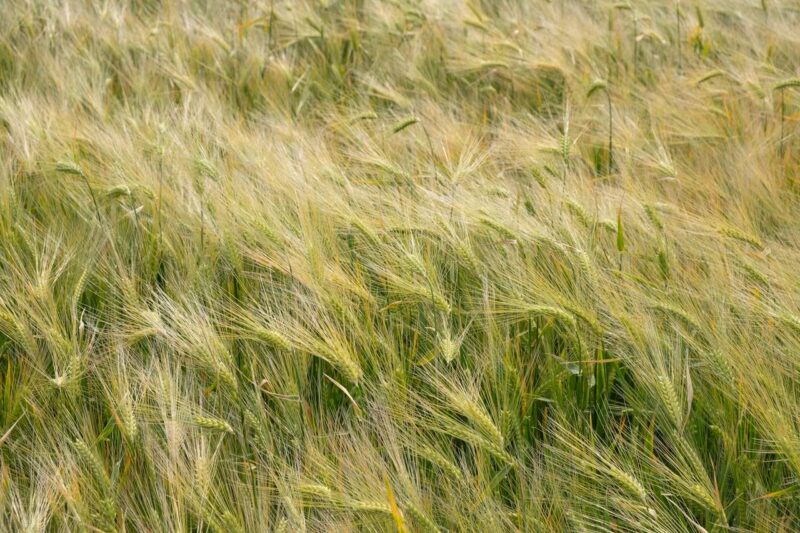
Provisional Defra figures put English barley at 3.7 million tonnes, down 11%, and oats at 527,000 tonnes, down 29%. Wheat edged up 0.8% to 10.8 million tonnes and oilseed rape rose 43%.
FAO's September index rose 1.5% on the month and 5.8% on the year. Its cereal brief, also out on 2 October, cut the 2026/27 world rice crop forecast on weaker prospects for India.
Price Support Scheme approval for kharif 2026-27 covers 4.66 lakh tonnes of tur in Uttar Pradesh plus soybean, moong and sunflower in Karnataka and Telangana.
From the archive
Reporting from earlier editions of The Agrotech Daily. Figures, prices and policies may have changed since.