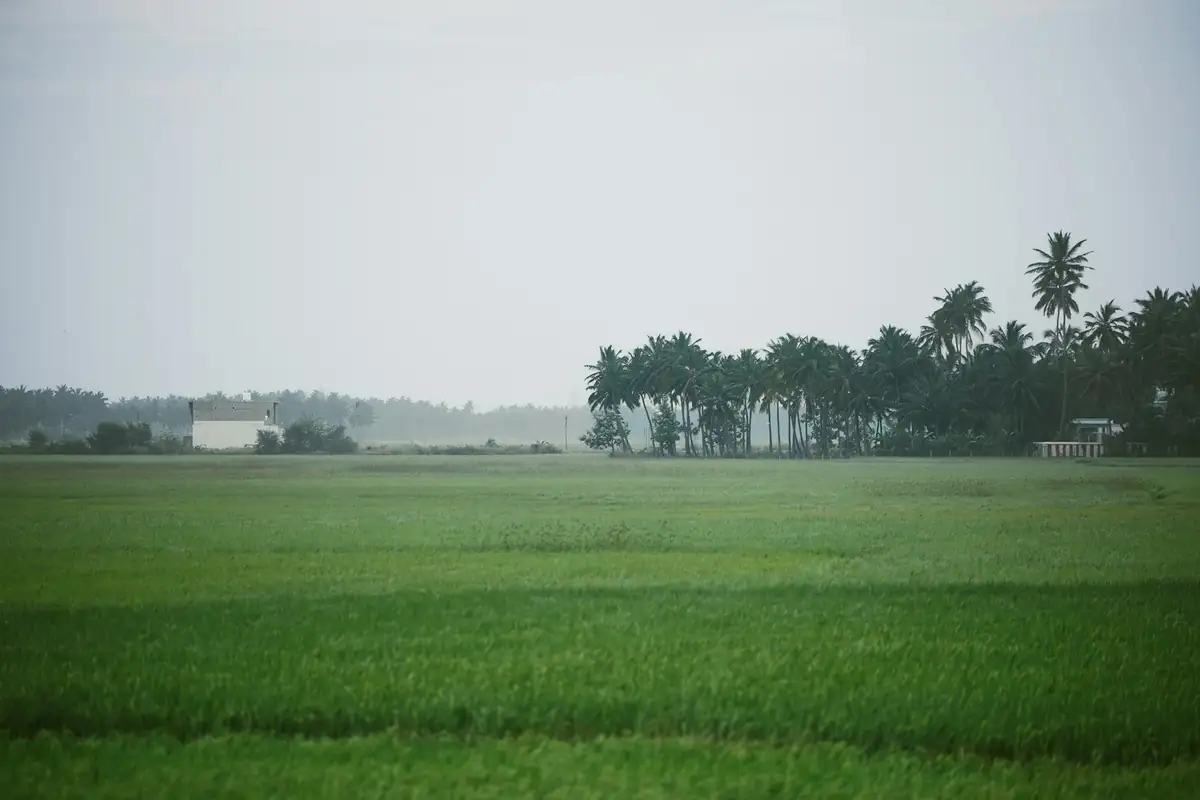
TAD NewsDesk, Assam: In the months of January and February, Assam and West Bengal received much lesser rainfall than usual. The tea companies are worried that this could affect the production of first flush of tea and Indian exports of it in total.
40 cm of rainfall is required for producing first flush teas but this year the states got only 20 cm of rainfall.
The total production of first flush teas is to the tune of 100 million kg. India is the largest black tea producer in the world with annual production of around 1390 million kg.
Azam Monem, director, McLeod Russel India said,
“The weather is very dry in Assam, the biggest tea producing region in the country. We had an average rainfall of 15-20 cm in January and February this year compared to 35-40 cm in the same months last year. Last year, it rained for 10-12 days across the tea estates. But this year it has only rained for 3-6 days.”
Dry weather could cause serious trouble for the tea industry and its exports. The Indian Meteorological Department (IMD) said summer will be hotter this year in most parts of the country.
IMD said that maximum temperature will be as high as 0.86 degree centigrade higher than normal across northern, eastern and western India.
D.P. Maheshwari, managing director of Jay Shree Tea & Industries said,
“If this dry spell continues then first flush teas that are produced in the months of March and April may get affected. If that happens, then it will also have an impact on second flush also. However, we are expecting that the weather will improve in the next one to two weeks.”
Mr Monem also added that the Guwahati tea auction centre has dropped auction sales for the next two weeks as there are hardly any teas left at the centre.
He also pointed out that Indian tea exports may take a hit this year as production in Kenya, the biggest black tea competitor for India in the world market, has produced more teas. Kenya’s production has increased to 570.44 million kg from 458.85 million kg last year, a gain of 111.59 million kg.
Lastly he added,
“All eyes are on how global tea prices behave this year. The wages of Assam tea workers have been increased by Rs 50 per kg to Rs 217. If prices do not go up, it will be a difficult year for the tea trade.”
Now it will depend upon the time to decide whether this year’s weather will grace and save the tea estates and retain the export ration at an equivocal level to last years.
Get The Agrotech Daily in Google News.Follow us so new stories appear where you already read the news.
Follow on Google News