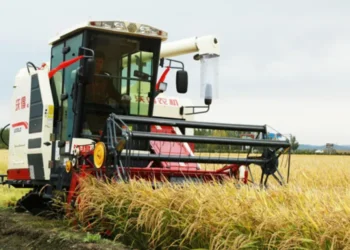

Winter is the critical window when combine harvesters sit idle, but the work performed during these months determines whether the next season starts with smooth operation or costly breakdowns. With harvest 2026 on the horizon, a comprehensive winter maintenance program is not optional—it is the difference between a modest preventative investment and a substantial mid-season repair bill that could sideline your machine during the peak window.
This practical guide covers everything from engine servicing to storage preparation, helping operators maximize reliability and resale value while minimizing downtime when every hour counts.
Why Winter Maintenance Matters
A modern combine harvester represents one of the largest capital investments on any farm. After a demanding harvest season where components endure dust, heat, moisture, and continuous load, winter maintenance serves three critical purposes:
- Preventing Corrosion: Grain residue and moisture left on components accelerate rust and wear during storage months.
- Early Detection: Small issues discovered in November are manageable. The same problems found in July mean lost tonnage and emergency repairs at premium rates.
- Protecting Resale Value: Well-maintained machines retain significantly higher residual value and command faster sales when the time comes to upgrade.
The Complete Winter Maintenance Checklist
Engine and Power Systems
Start with the heart of your machine. Oil and filter changes should happen before storage, not after. Used oil contains acids and contaminants that corrode internal components during idle months. Always use manufacturer-specified oil grades and genuine or OEM-equivalent filters.
- Coolant System: Check antifreeze concentration with a refractometer to ensure protection against freezing temperatures. Inspect hoses for cracks, soft spots, or bulging—replace them now rather than risking a burst hose mid-season.
- Air Filtration: Replace primary and secondary air filters if they show restriction. A restricted air filter reduces power and increases fuel consumption significantly.
- Fuel System: Winterization is essential to prevent gelled diesel and bacterial growth (“diesel bug”). Fill the tank completely to minimize condensation, add a biocide treatment, and replace fuel filters.
Drive Systems and Belts
Belt and chain failures cause the majority of mid-season breakdowns, yet they are largely preventable.
- Belts: Remove shields for a thorough examination. Look for cracking, glazing, fraying, or uneven wear. Check tension against manufacturer specifications; belts that are too tight damage bearings, while loose belts cause slippage and heat buildup.
- Chains: Measure chain pitch elongation, as chains stretch with wear. Replace chains showing significant elongation (typically 2-3%) to prevent them from damaging expensive sprockets. Clean and lubricate thoroughly with agricultural chain lube.
Bearings and Lubrication
Bearing failure is a leading cause of downtime. A systematic greasing program extends bearing life dramatically.
- Complete Schedule: Modern combines have hundreds of grease points. Use a greasing map to ensure none are missed, paying special attention to the feeder house, rotor, straw chopper, and header drive bearings.
- Listen: Ideally, diagnose bearing noise during the final field hours of the season. If a bearing sounds suspect, replace it now. A single failed rotor bearing can cause thousands of pounds in secondary damage if it seizes during operation.
Cleaning and Residue Removal
Grain residue is not just messy; it attracts moisture, promotes rust, harbors rodents, and is a significant fire hazard.
- Compressed Air: Blow out grain tanks, elevator housings, and auger tubes. Remove side panels to access hidden areas.
- Wash Down: Use a pressure washer with agricultural detergent, but avoid direct high-pressure spray on electrical components or bearings. Allow the machine to dry completely before storage.
- Rust Prevention: Touch up paint damage and apply rust inhibitor spray to unpainted surfaces like sieve rods. Spray cavity wax into hollow tubes and channels.
Threshing and Separation Systems
These components determine grain quality and loss rates.
- Concaves and Rasp Bars: Measure rasp bar height using a gauge. Replace bars worn beyond service limits.
- Rotors: For rotary combines, check rotor bars and vanes for cracks or damage. Verify rotor balance by spinning it slowly and watching for wobble.
- Sieves: Check for bent louvers or damaged adjustment linkages. Clean thoroughly, as residue here affects airflow and separation efficiency.
Header Systems
The header is the combine’s interface with the crop.
- Cutterbar: Check knife section sharpness and guard condition. Worn points can reduce cutting efficiency by up to 20%.
- Reel and Auger: Replace broken fingers and check drive chains. Inspect auger flights for wear.
- Height Control: Test and calibrate auto-header systems. Check sensors for damage and hydraulic cylinders for leaks.
Storage Best Practices
- Location: Indoor storage with adequate ventilation is ideal. If storing outdoors, use breathable covers to prevent moisture trapping and elevate the machine to protect tires.
- Batteries: Remove batteries and store on a trickle charger, or disconnect terminals and charge monthly.
- Rodent Control: Place bait stations or ultrasonic deterrents around the machine. Block obvious entry points. A rodent-damaged wiring harness can be an incredibly expensive repair.
Manufacturer-Specific Considerations
Different brands have known weak points that require specific attention:
- John Deere (S-Series): Focus on Active Yield system sensors and Harvest Lab cleanliness.
- Case IH (Axial-Flow): Pay close attention to rotor bearing lubrication and the transition cone area, which accumulates residue.
- CLAAS (Lexion): Utilize CEMOS data for diagnostics and check TERRA TRAC components if equipped.
- New Holland (CR Series): Inspect the Dynamic Feed Roll system and check air filters frequently on susceptible models.
Professional Service vs. DIY
The decision to outsource depends on mechanical skill and tool availability.
- Professional Service: Offers diagnostic equipment, trained expertise, and warranty on work. It is best for complex engine internals, electronics, and major adjustments.
- DIY: Offers cost savings and machine familiarity. Ideal for routine tasks like greasing, filter changes, and cleaning.
- Hybrid Approach: Many operators handle routine maintenance themselves while scheduling professional service for complex diagnostics, maximizing savings without compromising critical systems.
Remember
Winter maintenance is foundational to successful harvest operations. Operators who invest time and resources during the idle months enjoy smoother seasons, lower emergency repair costs, and better long-term machine value. Whether tackling the list yourself or partnering with a dealer, the goal remains the same: a machine that starts reliably and delivers peak performance when the crop is ready.