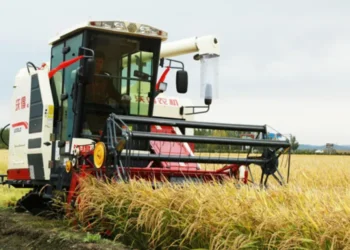
Harvest season downtime creates disproportionate financial consequences compared to equivalent equipment failures during other periods. A combine breakdown during optimal cutting conditions triggers cascading problems including crop quality deterioration, missed weather windows, and potential catastrophic losses if conditions turn unfavorable. Strategic spare parts planning represents insurance against these concentrated risks, though requires systematic analysis rather than arbitrary parts accumulation.
This framework helps UK arable operations develop appropriate spare parts strategies matching their specific circumstances, equipment, and risk tolerance without prescriptive parts lists that may not suit individual situations.
Risk Assessment and Criticality Analysis
Effective spare parts planning begins with understanding which equipment failures create most severe operational impacts rather than attempting comprehensive coverage of all potential breakdowns.
Time-Sensitivity During Harvest
Combine harvester failures during active harvest create uniquely severe consequences. Weather windows in UK agriculture often measure days rather than weeks, with crop quality deteriorating rapidly once optimal harvest moisture passes. Equipment downtime during these critical periods costs exponentially more than equivalent failures during field preparation or routine operations.
Secondary equipment including grain trailers, tractors, and handling systems matter operationally though rarely create the same concentrated risk as combine downtime. A trailer breakdown allows switching to alternatives or temporary hiring. A combine failure with standing crops approaching weather systems creates existential business risk.
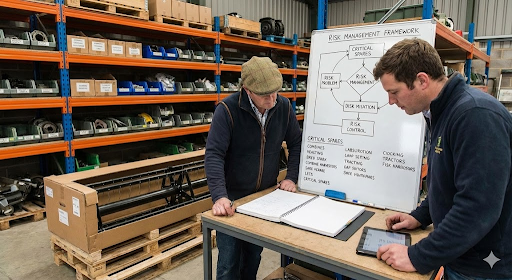
Failure Impact Evaluation Framework
Assess potential parts requirements across three dimensions: failure probability based on equipment history and manufacturer patterns, replacement complexity including time requirements and skill demands, and operational impact during different periods.
High-probability failures of components requiring minimal replacement time and affecting secondary systems rank lower priority than rare failures of complex components stopping critical operations. A bearing accessible with basic tools and replaceable in thirty minutes matters less than a hydraulic pump requiring specialist equipment, extended replacement time, and halting all harvesting operations.
Supplier Response Reality Assessment
Main dealer promises of next-day delivery assume parts availability at regional distribution centers and normal operational periods. During peak harvest season affecting entire regions simultaneously, even common components face supply constraints. Multiple farms requiring identical parts during concurrent breakdowns overwhelm local dealer inventory regardless of normal service promises.
Weekend and bank holiday failures present particular challenges. Many suppliers operate limited emergency services outside standard business hours, whilst some close entirely. Understanding actual supplier availability patterns during various scenarios informs realistic parts stocking decisions rather than assumptions about service promises.
Equipment-Specific Vulnerability Identification
Different equipment categories and specific models show characteristic failure patterns deserving focused attention.
Combine Harvester Critical Systems
Modern combines contain thousands of components with widely varying failure rates and consequences. Rather than attempting comprehensive coverage, focus on systems showing highest failure probability during harvest operations combined with severe operational impact.
Drive systems including belts and chains transmit power throughout the machine. Belt failures halt operations immediately whilst typically allowing relatively rapid replacement. Understanding which belts your specific model uses and their individual criticality helps prioritize inventory decisions.
Bearing assemblies support rotating components throughout the machine. Certain positions including rotor bearings, straw chopper assemblies, and header reel systems show higher failure rates than others. Maintenance history from your specific equipment identifies high-risk bearing positions deserving inventory consideration.
Hydraulic systems control header positioning, reel adjustment, unloading operations, and numerous operational functions. Hydraulic failures stop operations immediately. Hose failures at vulnerable positions, fitting failures from vibration, and seal deterioration from age all create downtime risks. Pre-assembled hoses for highest-risk positions and comprehensive fitting assortments enable field repairs.
Separation systems including concaves, rasp bars, and rotor components wear predictably based on crop characteristics and operational hours. These components rarely fail catastrophically during harvest though gradual wear affects performance. Monitoring wear during pre-season maintenance and ordering replacements when approaching service limits prevents in-season emergency requirements.
Cleaning systems affect grain quality and loss rates directly. Adjustment mechanisms, mounting systems, and fan components all require attention. Fan blade failures create particular risk given potential for cascading damage to entire fan assemblies from imbalance.
Header System Vulnerabilities
Headers sustain more field damage than other combine components given ground proximity and exposure to rocks, terrain variations, and operator fatigue effects.
Cutter bar systems experience regular damage from field obstacles. Knife sections, guards, drive components, and mounting hardware all face higher failure probability than protected combine systems. Stock depth for these components depends on field conditions, with stony ground or fields with buried debris requiring substantially deeper inventory than clean, well-maintained land.
Reel components including bats, tines, and bearing assemblies experience impact damage and wear. Multiple-section reels with difficult bearing access particularly benefit from spare bearing inventory given disassembly time requirements.
Auger systems moving cut crop into the feeder house experience wear and occasional damage. Understanding your specific header configuration and typical failure points informs appropriate inventory decisions.
Tractor and Support Equipment
Tractors supporting harvest operations need focused attention on systems most likely to fail during intensive seasonal use.
Filtration and fluid systems require complete sets for primary harvest tractors. Engine oil filters, fuel filters, air filters, and hydraulic filters all deserve inventory coverage. Maintaining appropriate fluid reserves handles emergency top-ups and minor leaks without operational interruption.
Tire management including puncture repair capability prevents immobilization from common field hazards. Repair supplies and inflation equipment enable field responses to tire problems.
Electrical systems including batteries, alternators, and lighting face increased failure probability during extended operating hours. Lighting systems particularly benefit from spare component availability given value of extended harvest days during favorable conditions.
Model-Specific Failure Pattern Recognition
Generic spare parts planning provides foundations, though specific equipment models show characteristic vulnerabilities deserving targeted attention.
Manufacturer technical bulletins, dealer service communications, and farmer networks operating similar equipment all provide intelligence about model-specific failure patterns. Early production runs sometimes show problems addressed in later manufacturing, creating serial number-dependent vulnerability variations within single model ranges.
Online farmer forums and agricultural machinery discussion groups offer unfiltered operational experience about specific model weaknesses. These informal sources complement official manufacturer communications, often identifying problems before formal acknowledgment or service campaign announcements.
Inventory Scale and Farm Size Considerations
Appropriate spare parts investment scales with operational characteristics including farm size, equipment age, and available redundancy.
Small-Scale Operations
Limited-scale operations typically operate single combines without equipment redundancy. Every failure creates complete operational stoppage rather than capacity reduction. This concentration of risk argues for focused inventory on truly critical components whilst relying more heavily on supplier relationships for less time-sensitive items.
Consider inventory sharing arrangements with neighboring farms operating similar equipment. Coordinated inventory investment across multiple operations provides deeper coverage than individual farms achieve independently whilst maintaining reasonable individual investment levels.
Medium-Scale Operations
Mid-sized farms often maintain some equipment redundancy though individual failures still create significant operational impact. Inventory investment should cover common wear items, known weak points, and components with extended delivery times whilst avoiding wasteful over-stocking of readily available parts.
At this scale, relationship investments with multiple suppliers create value through competitive pricing on routine items whilst maintaining emergency access during critical periods.
Large-Scale Operations
Substantial operations typically run multiple machines creating some operational redundancy. However, common parts shortages affecting multiple machines simultaneously remain risks during peak periods. Comprehensive inventory covering multiple equipment units prevents fleet-wide vulnerability to single component supply constraints.
Large operations justify inventory investment in higher-value components given severe financial consequences of extended downtime across substantial harvested areas.
Supplier Strategy Development
Parts sourcing decisions significantly affect both inventory costs and operational reliability.
Main Dealer Value Propositions
Authorized dealers offer genuine manufacturer parts with warranty coverage, technical support from factory-trained personnel, and established supply chains with regional stock locations. Parts meet original specifications without compatibility concerns whilst dealer relationships provide diagnostic support and priority service during peak periods.
These advantages carry pricing premiums compared to aftermarket alternatives, though complex or model-specific components often show smaller price differentials. Dealer value extends beyond parts transactions to include warranty administration, technical assistance, and preferential treatment during supply constraints.
Aftermarket Opportunities and Risks
Independent parts suppliers offer savings on commodity items including filters, belts, bearings, and hardware. Quality varies substantially among aftermarket brands. Premium aftermarket manufacturers match or exceed original specifications whilst budget alternatives risk premature failure, inadequate fit, or substandard performance.
Aftermarket suppliers excel with mature technology and standardized components. Complex electronic assemblies, specialized hydraulic components, and model-specific parts often remain dealer-exclusive or carry significant quality risks from aftermarket sources.
Multi-Supplier Relationship Strategy
Successful operations typically maintain relationships across both dealer and aftermarket channels. Use dealers for critical or complex items requiring original specification certainty whilst sourcing commodity parts competitively where quality variations matter less and price differences prove substantial.
Establish supplier accounts before harvest begins. Confirm credit terms, delivery schedules, and emergency service availability. Share equipment specifications and typical requirements, enabling suppliers to maintain relevant stock. Strong relationships create preferential treatment during peak demand periods when supply constraints emerge.
Inventory Management and Organization
Effective inventory requires systematic management beyond initial parts purchases.
Storage and Organization
Create dedicated parts storage protecting components from environmental degradation. Moisture, dust, temperature extremes, and sunlight exposure all reduce parts longevity in storage. Organize by equipment type and system rather than arbitrary arrangements, enabling rapid location during breakdown situations.
Hydraulic hoses and rubber components require particular attention. Store hoses without sharp bends creating weak points. Keep rubber components away from direct sunlight and ozone sources including electric motors and welding equipment that accelerate deterioration.
Documentation and Usage Tracking
Record each part’s purchase date, supplier, cost, and intended application. Track actual usage including installation timing, receiving equipment, and failure circumstances. This data drives future inventory optimization, identifying high-consumption components deserving increased stock alongside slow-moving items candidates for inventory reduction.
Document inventory layout with photographs and written lists maintained in multiple accessible locations. During breakdowns, rapid parts location matters more than comprehensive organization systems requiring extensive searching.
Annual Inventory Review
Inventory optimization requires regular reassessment based on actual usage patterns. Components moving quickly from inventory deserve increased stocking levels. Parts sitting unused across multiple seasons should exit inventory in favor of supplier delivery arrangements.
Equipment changes, crop rotations, and evolving operational practices all affect optimal inventory composition. Annual reviews accommodate these changes systematically rather than allowing inventory stagnation with outdated assumptions.
Just-in-Time Versus Preventive Stocking Philosophy
Inventory management philosophy fundamentally affects both investment requirements and operational resilience.
Just-in-Time Approach
Modern supply chains theoretically enable rapid parts delivery, reducing inventory capital requirements. Stock only items with proven failure patterns or extended lead times whilst relying on next-day delivery for other components. This minimizes parts obsolescence, reduces storage requirements, and frees capital for productive deployment.
Just-in-time risks intensify during peak seasons when simultaneous demand overwhelms supplier inventory. Stock-outs, delivery delays, and parts allocation all undermine just-in-time assumptions precisely when reliability matters most. Agricultural equipment shows concentrated seasonal demand patterns challenging supply chain responsiveness.
Preventive Stocking Benefits
Comprehensive inventory eliminates supplier dependency during critical periods. Components sit ready when required, enabling immediate repairs minimizing downtime. Off-season purchasing often yields better availability and pricing than emergency peak-season acquisition.
Preventive stocking ties capital, requires storage space, and creates obsolescence risks when equipment changes. Components deteriorate in storage through rubber aging, bearing corrosion, and fluid degradation. Overstocking beyond realistic requirements wastes resources deployable more productively elsewhere.
Hybrid Implementation
Most successful operations blend both philosophies. Stock critical harvest-specific items whilst using just-in-time delivery for general maintenance components, tractor parts, and less time-sensitive systems. This hybrid model balances downtime protection against inventory carrying costs.
Emergency Parts Acquisition Networks
Despite comprehensive planning, unexpected failures require rapid parts acquisition outside normal channels.
Dealer Emergency Services
Understand which dealers offer after-hours emergency services, weekend operations, and holiday coverage. These services typically command premium pricing though provide value during critical situations. Establish relationships before harvest enables preferential treatment when urgent needs arise.
Farmer Networks
Neighboring operations with similar equipment represent potential emergency parts sources. Establishing reciprocal borrowing arrangements before harvest creates mutual insurance against catastrophic supply failures. These informal networks often provide faster response than commercial channels during weekend or holiday breakdowns.
Premium Freight Options
Same-day courier services deliver critical components within hours when local sources cannot assist. Understanding courier capabilities and typical costs enables rapid decision-making when breakdowns occur. Premium freight often costs less than extended downtime during optimal harvest conditions.
Risk-Adjusted Investment Framework
Spare parts inventory represents insurance against downtime during critical operational periods. Like all insurance, it requires balancing premium costs against potential losses.
Investment Optimization
Start with critical items protecting harvest operations. Expand inventory based on actual experience rather than comprehensive theoretical coverage. Track which components actually use versus those sitting unused, allowing continuous refinement toward optimal investment levels.
Different operations face different risk-return calculations. Farms with alternative harvest capacity tolerate more risk than those completely dependent on single machines. Operations harvesting high-value crops or facing particularly narrow weather windows justify deeper inventory investment than those with flexible timing or bulk commodity production.
Capital Allocation Perspective
Spare parts inventory competes with alternative capital uses including equipment upgrades, land improvements, or financial reserves. Evaluate inventory investment against these alternatives, recognizing that optimal allocation varies by individual circumstances rather than universal prescriptions.
Operations with strong supplier relationships in areas with reliable delivery infrastructure require less inventory investment than isolated farms with limited local support. Urban fringe operations near multiple dealers face different calculations than remote holdings distant from parts sources.
Strategic Implementation
Effective spare parts planning requires moving beyond generic recommendations toward systematic analysis of specific operational vulnerabilities, equipment characteristics, and individual risk tolerance.
Begin with critical systems identification through maintenance history analysis and equipment-specific failure pattern research. Develop multi-channel supplier relationships providing competitive commodity parts pricing alongside emergency support capability. Implement systematic inventory management enabling continuous optimization through usage tracking and annual review.
Balance preventive inventory investment against just-in-time delivery confidence based on local supplier capabilities and seasonal demand patterns. Recognize that optimal strategies evolve with equipment age, operational scale changes, and supplier performance experience.
The goal is not comprehensive parts coverage but rather strategic investment protecting against highest-probability, highest-consequence failures during time-critical periods whilst maintaining appropriate flexibility for unexpected situations through supplier relationships and emergency acquisition capability.
Well-designed spare parts strategy delivers insurance value substantially exceeding investment costs when protecting against catastrophic downtime during optimal harvest conditions. Poor strategy either wastes capital on unused inventory or leaves operations vulnerable to preventable failures during critical periods. Success requires ongoing attention, systematic refinement, and realistic assessment of individual circumstances rather than generic prescriptions applied uniformly regardless of specific situations.