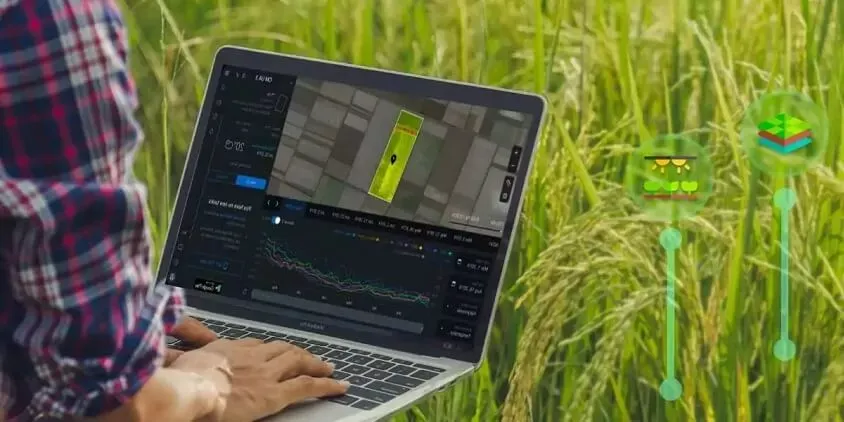
British agriculture faces mounting administrative complexity. Between cross-compliance documentation, fertiliser management records, and evolving subsidy schemes, farmers now spend 15-20 hours weekly on paperwork according to NFU data. Farm management software promises relief, yet choosing between platforms requires understanding which features genuinely reduce workload versus which simply digitise existing inefficiencies.
Four platforms dominate UK farm software adoption: Xero’s agricultural package, Farmable, FarmPlan’s suite of products, and Muddy Boots. Each serves overlapping yet distinct operational needs. This comparison examines core capabilities, pricing structures, and practical implementation considerations for farms evaluating digital management systems in 2025.
Platform Overview and Market Positioning
Xero entered agricultural software by acquiring established platforms and integrating them with accounting tools familiar to rural accountants. The platform emphasises financial management with field record capabilities added through partnerships. Farmable positions itself as a comprehensive operational system designed specifically for mixed farms, whilst FarmPlan offers modular products allowing farms to adopt specific functions rather than complete suites. Muddy Boots focuses heavily on data capture and regulatory compliance rather than financial integration.
These positioning differences matter practically. Farms prioritising financial visibility alongside field records lean toward Xero or Farmable. Operations focused on agronomic decision-making and compliance documentation often prefer FarmPlan or Muddy Boots modules.
Financial Management and Accounting Integration
Xero’s core strength remains accounting integration. The platform automatically reconciles bank transactions, generates invoices, and tracks expenditure across enterprises. Agricultural add-ons connect field activities to financial records, allowing cost allocation per crop or livestock group. This integration eliminates double-entry between operational and financial systems, though requires initial chart of accounts configuration matching farm enterprise structure.
Farmable provides built-in financial tracking without requiring separate accounting software. The system records purchases against specific fields or livestock groups, generates profit and loss statements per enterprise, and tracks margin performance. However, farms requiring detailed accounting features like multi-currency handling or complex tax calculations typically export data to dedicated accounting platforms.
FarmPlan’s Accounts module offers agricultural-specific financial management including enterprise costings and subsidy payment tracking. The system calculates gross margins per crop automatically when linked with field recording modules. Integration between FarmPlan products remains tighter than third-party platform connections, though data export to mainstream accounting software functions adequately.
Muddy Boots provides minimal financial functionality beyond basic cost tracking. The platform focuses operational data collection rather than financial analysis, requiring integration with separate accounting systems.
Field Recording and Crop Management
Field recording requirements span planning, activity documentation, and regulatory compliance. All four platforms handle basic operations including cultivation dates, input applications, and yield recording, yet implementation approaches differ substantially.
Farmable structures field records around rotation planning. Users map fields digitally, assign crops to specific areas, and track operations throughout the season. The system calculates input costs per hectare automatically and flags when operations approach regulatory limits for nitrogen or pesticide applications. Mobile apps allow real-time operation recording by machinery operators, reducing office transcription workload.
FarmPlan’s Basis module remains the UK standard for agronomic record keeping amongst professional advisors. The platform tracks detailed input specifications, generates regulatory compliance reports, and integrates with precision agriculture equipment for variable rate application mapping. Basis users particularly value the depth of agronomic analysis tools including nutrient budgeting and crop performance comparisons across seasons.
Muddy Boots emphasises regulatory compliance through structured data capture. The platform guides users through required information for RPA inspections, generates pre-populated forms, and maintains audit trails. Farms facing complex compliance requirements due to agri-environment schemes or organic certification often adopt Muddy Boots specifically for documentation rigour.
Xero’s field recording relies on partner integrations rather than native functionality. Farms using Xero typically combine it with specialist crop management tools, accepting data transfer between platforms as a necessary compromise for accounting integration benefits.
Livestock Management Capabilities
Livestock enterprises require individual animal tracking, health records, movement documentation, and performance monitoring. Platform capabilities vary considerably across these requirements.
FarmPlan’s Herd module provides comprehensive livestock management including individual animal records, breeding performance tracking, and medicine administration logs. The system generates movement notifications, calculates withdrawal periods automatically, and produces regulatory reports. Dairy operations particularly benefit from integration with milking parlour systems and genetic evaluation data.
Farmable includes livestock tracking within its core platform, handling basic recording needs for beef, sheep, and mixed enterprises. The system tracks purchases, deaths, and sales whilst maintaining treatment records and withdrawal calculations. However, specialist breeding operations often require additional tools beyond Farmable’s integrated capabilities.
Muddy Boots offers livestock modules focused on compliance documentation rather than performance analysis. The platform ensures medicine records meet regulatory standards and movement notifications reach APHIS correctly, though provides limited breeding or genetic evaluation features.
Xero lacks native livestock functionality, requiring third-party integrations for animal tracking whilst handling associated financial transactions through core accounting features.
Mobile Application Performance
Effective farm software requires reliable field access via mobile devices. Connectivity limitations across rural areas make offline capability essential rather than optional.
Farmable’s mobile app functions fully offline, syncing data when connectivity returns. Users record operations, photograph crop conditions, and log equipment issues without network dependence. The interface prioritises quick data entry over comprehensive feature access, acknowledging that detailed analysis occurs at desks rather than field edges.
FarmPlan provides mobile access through browser-based interfaces rather than dedicated applications. This approach ensures feature parity with desktop access yet depends on connectivity. Farms with consistent 4G coverage manage adequately, whilst operations in connectivity blackspots struggle with browser-based field recording.
Muddy Boots offers dedicated mobile apps with offline capability, though users report occasional synchronisation conflicts when multiple operators record simultaneously. The platform prioritises data capture completeness over entry speed, requiring more fields completed per operation than competitor systems.
Xero’s mobile app focuses on financial transactions rather than operational recording, reflecting the platform’s accounting emphasis. Field operations recorded through partner systems require separate mobile access to those platforms.
Pricing Models and Total Ownership Costs
Software costs extend beyond headline subscription fees to include implementation time, training requirements, and ongoing support needs.
Xero charges between £300-£600 annually depending on feature requirements, with agricultural add-ons increasing costs by £150-£400 yearly. The platform assumes accounting expertise exists within the business or through external accountants, reducing included training compared to agricultural-specific platforms.
Farmable pricing ranges from £600-£1,200 annually based on farm size and module selection. The company includes implementation support and quarterly training updates within subscription costs. Additional charges apply for specialist integrations with precision agriculture equipment or livestock management hardware.
FarmPlan operates modular pricing where farms purchase specific products rather than complete suites. Basis costs approximately £400 annually, whilst Herd adds £350-£600 depending on animal numbers. This approach allows targeted adoption yet can result in higher total costs when multiple modules become necessary.
Muddy Boots charges £750-£1,500 annually depending on farm complexity and compliance requirements. The platform includes regulatory update maintenance, ensuring forms and documentation standards remain current as requirements evolve.
Beyond subscription fees, implementation time represents significant cost. Simple systems like Farmable require 10-15 hours for initial setup and historical data import. Comprehensive platforms like FarmPlan demand 20-30 hours including historical record digitisation and staff training. This implementation investment matters substantially for operations evaluating switching costs from existing systems.
Data Integration and Third-Party Connectivity
Modern farms generate data across multiple sources including GPS guidance systems, yield monitors, weather stations, and soil sensors. Platform ability to consolidate this information affects analytical capability.
FarmPlan leads integration depth, connecting with major precision agriculture brands including John Deere Operations Centre, Trimble, and CLAAS equipment. The platform imports application maps, yield data, and soil analysis results directly, enabling comparison between planned and actual operations.
Farmable provides standard data import formats rather than direct equipment integration. Farms export information from machinery systems as CSV or shape files, then upload to Farmable for analysis. This manual transfer reduces convenience yet maintains platform independence from specific equipment brands.
Muddy Boots focuses government system integration over commercial equipment connectivity. The platform synchronises with RPA databases, pre-populates forms with existing land registry information, and submits regulatory documents electronically.
Xero’s integration strategy emphasises financial data flows rather than operational information. The platform connects seamlessly with banking systems, e-commerce platforms, and payment processors whilst leaving agricultural data integration to specialist partner systems.
Support Quality and User Communities
Software support requirements vary between initial implementation and ongoing operational use. Platform approaches differ substantially in both areas.
Farmable provides direct support through agricultural specialists rather than generic helpdesk staff. Users report response times under 24 hours for technical questions and same-day assistance for urgent compliance deadline situations. The company maintains active user forums where farmers share workflow optimisations and feature requests.
FarmPlan operates through independent dealer networks providing local support. This structure ensures face-to-face assistance availability yet creates inconsistency in support quality between dealers. Larger dealers offer comprehensive training and rapid response, whilst smaller operations occasionally lack specialist product knowledge.
Muddy Boots includes support within subscription pricing, providing unlimited contact for regulatory compliance questions. The company’s focus on documentation standards means support staff maintain current knowledge of evolving requirements, though operational efficiency questions receive less detailed guidance.
Xero provides substantial online resources and accounting-focused support, yet agricultural-specific questions often require contact with partner platform providers rather than Xero directly.
Making the Selection Decision
Platform selection depends primarily on operational priorities rather than universal superiority of any single system.
Operations prioritising financial management alongside basic operational recording should evaluate Xero, particularly when existing accounting relationships use this platform. The integration reduces duplicate data entry whilst maintaining detailed financial visibility.
Mixed farms requiring comprehensive field and livestock recording without separate accounting software complexity suit Farmable’s integrated approach. The platform balances operational and financial needs adequately for farms under 500 hectares.
Specialist arable operations or farms working closely with agronomists benefit from FarmPlan’s analytical depth and industry standard compliance. The modular approach allows targeted investment in specific capabilities.
Farms facing complex regulatory requirements or preparing for inspections should examine Muddy Boots’ documentation rigour. The platform ensures compliance evidence exists in required formats, reducing inspection stress.
Trial periods remain essential before commitment. All platforms offer demonstration access, allowing evaluation using actual farm data rather than generic examples. This practical testing reveals interface efficiency and workflow suitability far more effectively than feature comparisons alone.