
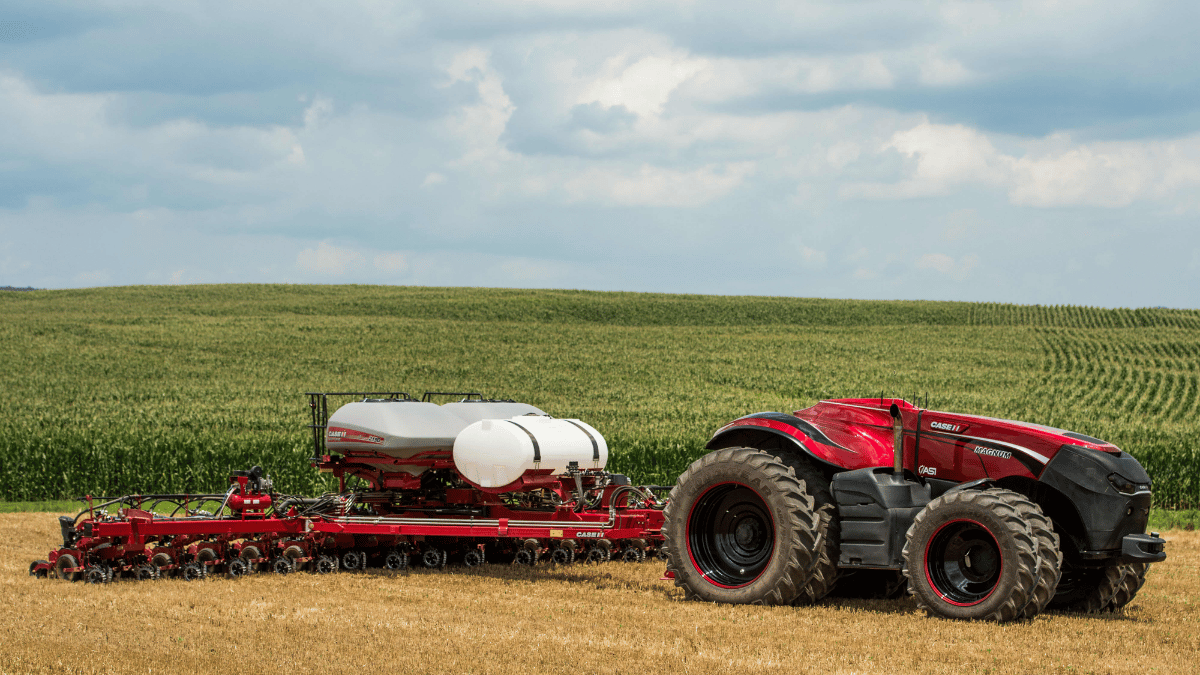
Autonomous tractor technology has progressed from experimental concepts to commercially available equipment, prompting UK farm managers to evaluate whether this technology suits their operational circumstances. The investment decision involves substantial capital commitments alongside potential operational benefits, requiring systematic analysis rather than assumptions about universal applicability.
This framework helps farm managers assess autonomous technology relevance to their specific situations through structured evaluation of operational requirements, risk factors, and strategic objectives without prescriptive financial models that may not reflect individual circumstances.
Understanding Autonomous Technology Categories
Commercial autonomous tractor offerings fall into distinct categories with different implementation requirements and operational capabilities.
Retrofit Autonomous Systems
Retrofit solutions add autonomous capability to existing tractors meeting specific technical requirements. Modern tractors with electronic control systems, GPS guidance infrastructure, and compatible hydraulic systems can potentially accommodate retrofit autonomous packages. These systems typically include sensor arrays, processing units, and control software enabling autonomous operation whilst retaining manual operating capability.
Retrofit viability depends heavily on existing equipment specifications. Tractors lacking modern electronic architecture or GPS-ready systems generally cannot support retrofit applications economically. Equipment age matters less than electronic capability – a relatively recent tractor without appropriate electronic foundations proves less suitable than an older but properly equipped machine.
Purpose-Built Autonomous Tractors
Manufacturers including CNH Industrial, AGCO, and John Deere offer tractors with factory-integrated autonomous systems. These machines incorporate sensors, redundant safety systems, and autonomous control architecture from initial design rather than aftermarket addition. Factory integration typically provides more comprehensive autonomous capability and manufacturer support compared to retrofit approaches.
Purpose-built systems represent complete equipment replacement rather than capability upgrades to existing machinery. This distinction matters significantly for farms with serviceable conventional equipment not requiring replacement based on mechanical condition alone.
Automation Level Variations
Autonomous systems span a spectrum from supervised automation requiring operator presence to fully autonomous operation without human supervision. Semi-autonomous systems handle specific tasks like maintaining straight lines or consistent operating speeds whilst requiring operator monitoring and intervention capability. Fully autonomous systems execute complete field operations without operator presence, though typically with remote monitoring and intervention capability.
Understanding which automation level suits specific operational requirements helps avoid purchasing capability exceeding actual needs or acquiring systems insufficient for intended applications.
Operational Suitability Assessment
Autonomous technology proves more beneficial in certain operational contexts than others. Systematic assessment of farm-specific circumstances identifies whether autonomous capability addresses genuine operational constraints or represents technology adoption without clear operational justification.
Labour Availability and Cost Patterns
Autonomous technology primarily addresses labour-related constraints including operator availability, wage costs, and extended-hour operation requirements. Farms experiencing genuine difficulty recruiting skilled tractor operators or facing significant seasonal labour constraints derive greater benefit from autonomous capability than operations with stable, available workforce.
Labour cost structure influences technology economics substantially. Regions with higher agricultural wages, competitive employment markets, or regulatory requirements affecting labour costs show different economic thresholds for autonomous adoption compared to areas with lower wage levels or less competitive labour markets.
Consider whether labour challenges stem from availability constraints versus skill requirements versus cost levels. Autonomous technology addresses availability and extended-hour operation effectively but may not resolve skilled labour shortages if operations require complex decision-making beyond autonomous system capabilities.
Field Operation Characteristics
Certain farming operations suit autonomous execution better than others based on task complexity, decision-making requirements, and environmental variability.
Repetitive operations including tillage, drilling, and basic cultivation involve relatively straightforward execution patterns that autonomous systems handle effectively. These operations follow predictable patterns with limited real-time decision requirements, matching autonomous system capabilities well.
Operations requiring frequent judgment calls, adaptation to unpredictable conditions, or complex implement adjustments prove more challenging for autonomous execution. Harvesting operations, livestock-related fieldwork, or tasks requiring constant quality assessment may not suit current autonomous capabilities despite marketing suggesting otherwise.
Field characteristics including size, shape, obstacle density, and terrain complexity affect autonomous operation viability. Large, regular-shaped fields with minimal obstacles and consistent terrain enable more effective autonomous operation than small, irregular fields with numerous obstacles requiring frequent navigation adjustments.
Operational Timing Pressures
Weather-sensitive operations including drilling and harvest create concentrated time pressures where extended operating hours provide genuine value. Autonomous systems operating during hours when operators are unavailable extend effective working time without proportional labour cost increases.
Evaluate whether operational delays stem from weather windows versus operator availability versus equipment capacity. Autonomous systems address operator availability constraints but cannot overcome weather limitations or insufficient equipment capacity. A farm limited by combine capacity during harvest gains less from autonomous tractors than one limited by operator availability for timely drilling operations.
Equipment Utilisation Patterns
Current equipment utilisation levels influence autonomous technology justification. Farms operating tractors at high utilisation approaching equipment capacity limits potentially benefit from extended operating capability that autonomous systems enable. Operations with substantial excess tractor capacity may find autonomous technology adds capability already available through existing equipment.
Calculate actual annual operating hours for primary tractors and compare against theoretical maximum given weather constraints, seasonal operation patterns, and maintenance requirements. This analysis reveals whether additional operating capability provides genuine value or represents unused capacity.
Technology Integration Requirements
Successful autonomous implementation requires more than equipment purchase. Supporting infrastructure, operational processes, and skill development all affect whether autonomous systems deliver anticipated benefits.
GPS Signal Quality and Correction Services
Autonomous operation requires reliable, high-accuracy GPS positioning typically depending on Real-Time Kinematic (RTK) correction signals achieving centimetre-level accuracy. Signal quality varies based on field location, surrounding obstacles, and correction signal source.
Fields surrounded by tall trees, buildings, or terrain features creating GPS signal interference may experience degraded autonomous operation reliability. Evaluate GPS signal quality across intended operating areas before committing to autonomous technology. Poor signal reliability undermines autonomous system effectiveness regardless of equipment quality.
RTK correction signals come from various sources including subscription services, farm-based reference stations, or regional networks. Each approach involves different costs, reliability characteristics, and coverage patterns. Understanding available correction signal options and their operational reliability informs realistic autonomous system performance expectations.
Communication Infrastructure
Autonomous systems typically require cellular connectivity for remote monitoring, mission updates, and emergency communication. Farms in areas with poor mobile coverage face challenges maintaining reliable autonomous operations requiring remote oversight.
Evaluate actual cellular signal strength and reliability across fields where autonomous operations would occur. Intermittent connectivity creates operational constraints potentially limiting autonomous system utility compared to consistent coverage enabling reliable remote monitoring.
Mission Planning and Management Systems
Autonomous operations require systematic mission planning including field boundary definition, obstacle mapping, operational parameter specification, and task sequencing. This planning requires time investment and technical capability that some operations may struggle to provide consistently.
Consider whether your operation has personnel capable of and interested in managing technology-intensive planning processes. Autonomous systems require active management rather than passive operation – they represent different operational approaches rather than simple equipment substitutes.
Maintenance and Technical Support
Autonomous systems incorporate sophisticated electronics, sensors, and software requiring different maintenance approaches than mechanical tractor systems. Local dealer technical capability, parts availability, and manufacturer support quality all affect long-term system reliability and operational continuity.
Investigate dealer experience with autonomous systems, technical staff training, and parts inventory before committing to specific manufacturer choices. Strong local technical support proves essential for minimising downtime and maintaining operational reliability.
Risk and Constraint Evaluation
Multiple risk factors affect autonomous technology adoption success beyond initial capability assessment.
Weather Operational Limitations
Autonomous systems face weather constraints including rain, fog, wind, and lighting conditions affecting sensor performance and safe operation. These limitations may prove more restrictive than conventional operations where experienced operators exercise judgment about marginal conditions.
Manufacturers specify operating envelopes for autonomous systems including visibility requirements, precipitation limits, and wind thresholds. Compare these specifications against typical weather patterns during critical operational periods. Technology unable to operate during common weather conditions provides less value than unrestricted systems.
Regulatory Uncertainty
UK regulations currently treat autonomous agricultural equipment under general farm machinery frameworks without specific autonomous-related restrictions. However, regulatory environments evolve as technology adoption increases. Future certification requirements, operational restrictions, or compliance obligations could affect autonomous system utility and operating costs.
Monitor regulatory developments and manufacturer communications about compliance requirements. Purchases made without attention to regulatory trends risk acquiring equipment subject to future operating restrictions or costly modifications for regulatory compliance.
Technology Obsolescence Risk
Sophisticated electronics-dependent equipment faces obsolescence risks as software, sensor technology, and communication systems evolve. Equipment purchased today might become difficult to support in 8-10 years if manufacturers discontinue products or critical components become unavailable.
This differs from conventional mechanical equipment where parts availability often extends decades beyond production cessation. Electronics dependency creates different obsolescence patterns requiring consideration during purchase decisions. Evaluate manufacturer history supporting legacy products and stated commitments to long-term system support.
Integration with Existing Systems
Autonomous tractors must work alongside existing equipment, farm management systems, and operational workflows. Compatibility questions arise regarding implement automation, data system integration, and workflow coordination between autonomous and conventional equipment.
Consider how autonomous systems integrate with current operations rather than viewing them as isolated equipment additions. Poor integration creates operational friction potentially offsetting autonomous capability benefits through coordination complexity and workflow disruption.
Strategic Decision Framework
Effective autonomous technology evaluation requires moving beyond generic recommendations toward systematic analysis of specific operational circumstances.
Operational Problem Definition
Begin by clearly defining operational problems that autonomous technology might address. Vague goals like “improving efficiency” or “modernising operations” provide insufficient foundation for technology evaluation. Specific problems like “inability to complete drilling during optimal soil conditions due to operator availability constraints” or “excessive seasonal labour costs during harvest support operations” enable focused assessment of whether autonomous technology genuinely addresses identified constraints.
Document current operational limitations including their frequency, severity, and cost implications. This documentation provides baseline for evaluating whether autonomous technology meaningfully improves identified problems or merely adds capability without addressing actual constraints.
Alternative Solution Comparison
Autonomous technology represents one approach to operational challenges, not necessarily the only or best solution. Compare autonomous adoption against alternatives including additional conventional equipment, improved operator recruitment and retention, operational timing changes, or contractor utilisation.
Sometimes simpler, less expensive approaches address operational constraints more effectively than sophisticated technology adoption. A farm struggling with labour availability might benefit more from improved compensation attracting reliable operators than from autonomous equipment requiring substantial technical management.
Capability-Requirement Matching
Match autonomous system capabilities against actual operational requirements rather than purchasing maximum capability. Farms requiring extended operating hours during specific seasonal periods might benefit from semi-autonomous systems enabling longer operator hours without full autonomous capability. Operations genuinely constrained by absolute operator availability benefit more from fully autonomous systems.
Avoid acquiring capability exceeding realistic operational requirements. Additional capability costs money without providing proportional value if operational patterns don’t utilise purchased functionality.
Implementation Readiness Assessment
Successful autonomous adoption requires operational readiness beyond equipment purchase. Technical capability for mission planning and system management, infrastructure supporting reliable autonomous operation, and organisational willingness to adapt workflows all affect implementation success.
Assess honestly whether your operation possesses or can develop required technical capability and supporting infrastructure. Acquiring equipment before establishing operational readiness creates predictable implementation difficulties potentially undermining technology adoption success.
Long-Term Strategic Alignment
Consider how autonomous technology fits broader strategic objectives including succession planning, operational scale evolution, environmental commitments, and competitive positioning.
Younger generation family members entering farming operations may view advanced technology as essential tools rather than optional enhancements, making autonomous adoption relevant to succession success. Operations pursuing scale expansion might find autonomous capability enables growth without proportional labour increases. Farms committed to environmental sustainability could find autonomous systems support precision agriculture practices reducing input usage.
Evaluate autonomous technology within strategic context rather than isolated equipment decisions. Technology supporting long-term strategic objectives justifies investment even when immediate financial returns appear modest.
Implementation Approach
If autonomous technology assessment concludes that adoption suits your circumstances, implementation approach significantly affects success likelihood.
Phased Adoption Strategy
Consider phased implementation beginning with limited autonomous capability and expanding based on operational experience. Starting with retrofit systems on suitable existing equipment or semi-autonomous operation before progressing to fully autonomous systems reduces initial investment whilst building operational experience and technical capability.
Phased approaches allow learning from experience before committing substantial resources to comprehensive autonomous adoption. Early-phase lessons inform later expansion decisions, potentially avoiding costly mistakes from over-ambitious initial implementation.
Pilot Operation Focus
Select initial autonomous applications carefully, choosing operations with characteristics favouring implementation success. Straightforward, repetitive tasks in regular-shaped fields with good GPS coverage provide better learning environments than complex operations in challenging conditions.
Successful pilot operations build confidence and capability supporting broader implementation. Difficult initial applications risk creating negative perceptions undermining longer-term autonomous adoption even when technology itself proves capable in appropriate circumstances.
Training and Capability Development
Invest time developing technical capability for autonomous system management before expecting operational benefits. Mission planning, system monitoring, and troubleshooting all require learned skills that take time to develop effectively.
Schedule training during periods when operational pressures allow focused learning rather than attempting skill development during critical operational windows. Rushed training during high-pressure periods creates frustration and reduces learning effectiveness.
Performance Monitoring and Refinement
Establish systematic performance monitoring measuring whether autonomous operations deliver anticipated benefits. Track operating hours, fuel consumption, operational quality metrics, and any problems encountered during autonomous operations.
Use performance data to refine operational approaches, identify additional training needs, and assess whether autonomous systems meet expectations. Honest performance evaluation informs decisions about expanding autonomous adoption or reconsidering implementation approach.
Critical Success Factors
Autonomous technology adoption success depends on several critical factors beyond equipment selection.
Realistic Expectation Setting
Maintain realistic expectations about autonomous system capabilities and limitations. Marketing materials often emphasise capability whilst understating constraints. Autonomous systems operate effectively within defined parameters but cannot overcome fundamental limitations including weather constraints, equipment capacity, or agronomic requirements.
Expect learning curves and operational challenges during initial adoption. Technology requiring significant operational adaptation inevitably encounters implementation difficulties regardless of equipment quality. Viewing challenges as learning opportunities rather than technology failures supports successful long-term adoption.
Technical Support Quality
Strong manufacturer and dealer technical support proves essential for managing autonomous systems effectively. Evaluate technical support quality carefully during equipment selection, considering factors including dealer autonomous system experience, technical staff training, responsiveness during critical periods, and remote support capability.
Poor technical support undermines even excellent equipment through extended downtime, unresolved issues, and operator frustration. Technical support quality often matters more than incremental equipment specification differences between manufacturers.
Operational Flexibility Maintenance
Retain conventional operating capability alongside autonomous systems rather than depending entirely on autonomous operations. Weather limitations, technical issues, or operational circumstances unsuitable for autonomous execution all require conventional operation fallback.
Maintaining operational flexibility through retained conventional capability protects against autonomous system limitations creating operational constraints. This redundancy costs more than committing entirely to autonomous approaches but provides operational resilience valuable during equipment development phases.
Continuous Learning Commitment
Autonomous technology evolves rapidly through software updates, new sensor capabilities, and enhanced operational algorithms. Successful autonomous adoption requires commitment to continuous learning and operational refinement rather than treating equipment as static tools requiring minimal ongoing attention.
Engage with manufacturer training resources, user communities, and industry information sources supporting ongoing capability development. Farms treating autonomous systems as learning opportunities typically achieve better results than those expecting static, unchanging equipment performance.
Final Considerations
Autonomous tractor technology represents significant operational change rather than simple equipment substitution. Success requires matching technology capabilities to genuine operational requirements, ensuring supporting infrastructure and technical capability exist, and maintaining realistic expectations about benefits and limitations.
The decision to adopt autonomous technology depends fundamentally on individual operational circumstances. Farms experiencing genuine labour constraints, operating at scales supporting technology investment distribution across substantial production, and demonstrating capacity for technology integration may find autonomous systems valuable additions to operational capability.
Operations without clear operational problems that autonomous technology addresses, lacking supporting infrastructure or technical capability, or facing circumstances where simpler alternatives address constraints more effectively should approach autonomous adoption cautiously regardless of technology sophistication or marketing appeal.
Technology adoption justified by strategic positioning, succession planning, or long-term operational evolution may warrant investment even when immediate operational returns appear modest. However, technology adoption without clear operational or strategic justification risks substantial investment delivering limited practical value.
Successful autonomous technology evaluation requires honest operational assessment, realistic capability expectations, and systematic analysis of whether technology addresses genuine constraints versus representing adoption for its own sake. Farms conducting this analysis thoroughly position themselves to make informed autonomous technology decisions appropriate to their specific circumstances rather than following generic industry trends poorly suited to individual operational realities.