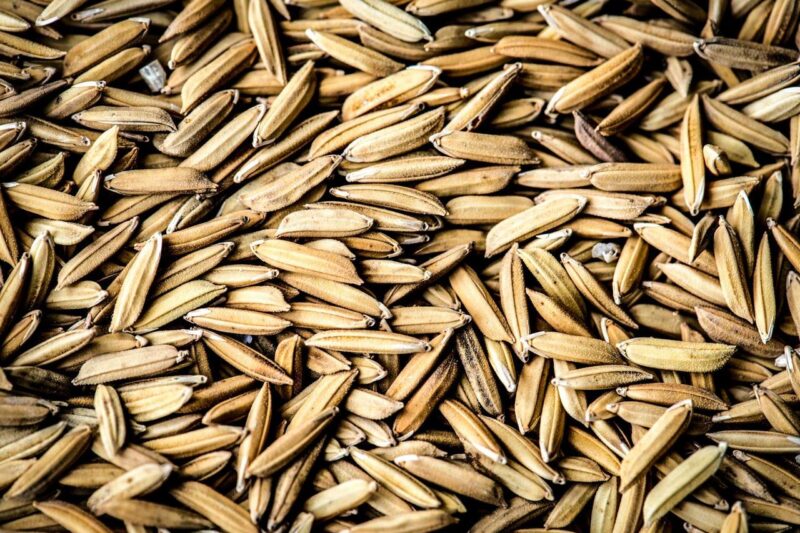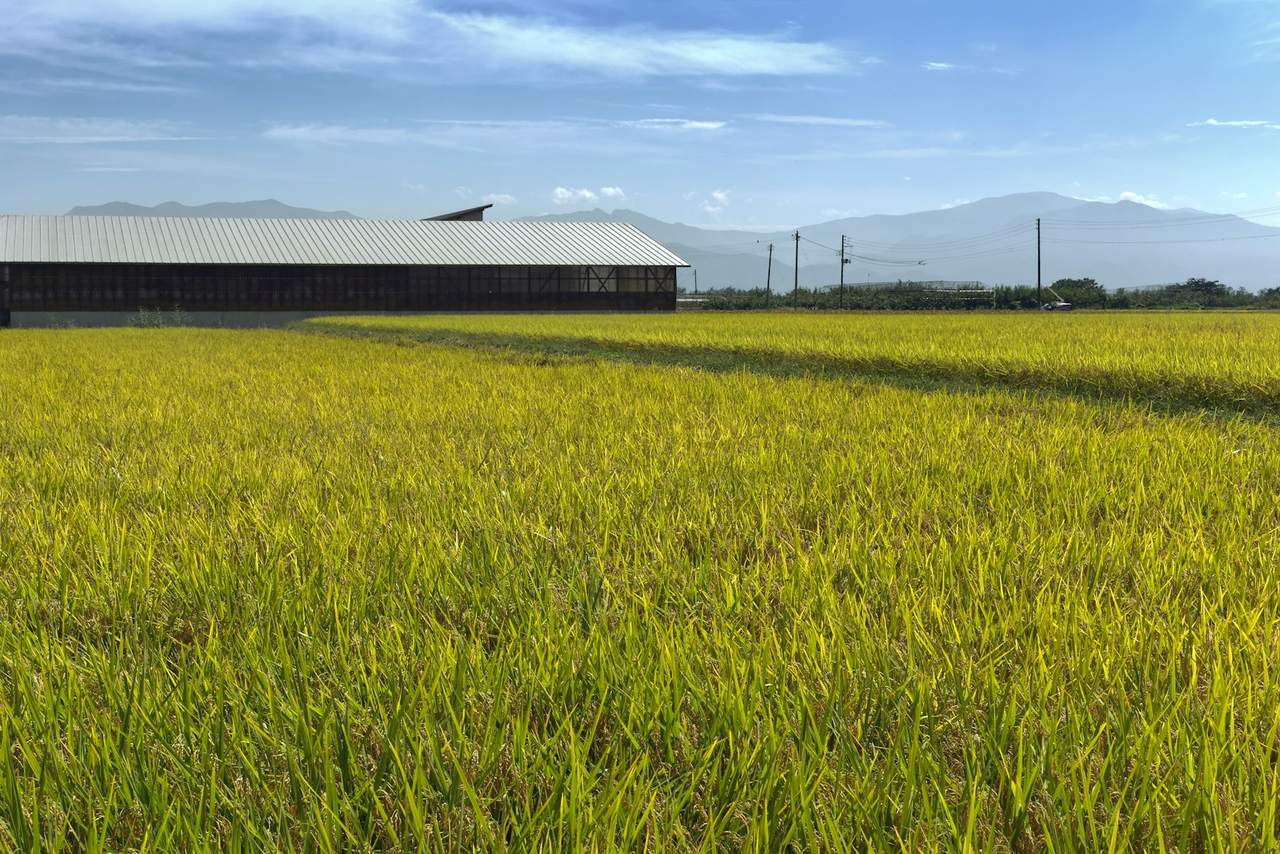
The International Grains Council (IGC) projects that global rice production will contract in 2026/27 for the first time in more than 10 years, to 536m t, down 2%, including a 6m t decline in India. The forecast is in the council’s Grain Market Report 581, published on 15 October 2026, according to the IGC’s public summary.
The council expects rice consumption to rise 1%, underpinned by food demand in sub-Saharan Africa and Asia, so that combined reserves could decrease for the first time in four years while staying historically comfortable. It forecasts world rice trade in 2027 at a record 61m t, boosted by potentially firmer demand from African buyers. The 2026/27 rice output forecast was unchanged on the month and is 11m t lower year on year.
Grains forecast raised on maize
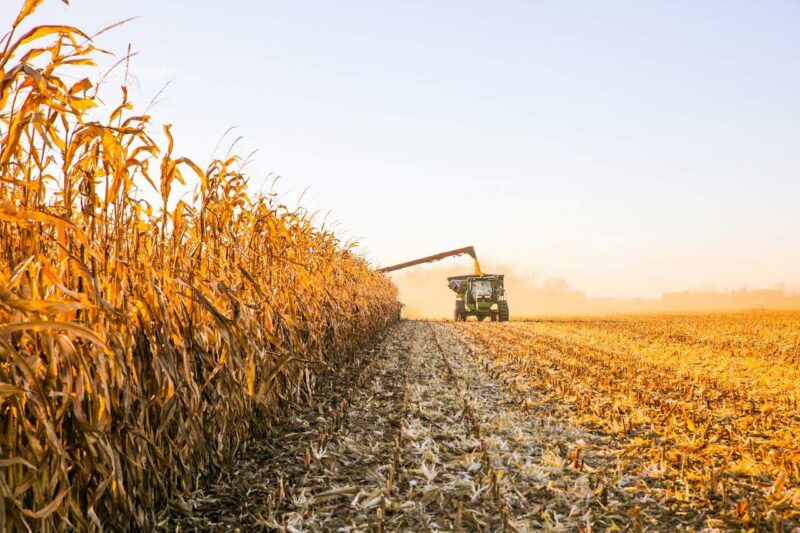
The IGC added 7m t to its 2026/27 forecast for world total grains (wheat and coarse grains) production, now 2,427m t, mainly because of a higher maize figure and an improved barley outlook. Production is still 68m t lower than in 2025/26, including declines of 40m t for maize and 25m t for wheat, while barley is seen 4m t higher. Grains consumption is forecast at a record 2,446m t. Closing stocks were raised by 11m t from September to 619m t, 19m t lower year on year. World grains trade for July to June is projected at 450m t, down 17m t, with falls of 15m t in wheat and 7m t in barley and a 6m t increase in maize.
World soyabean output in 2026/27 is forecast at a record, up 2%, chiefly on an anticipated record US crop and potentially sizeable South American harvests. The IGC puts aggregate soyabean stocks at around 74m t and global import demand at 190m t, an all-time high. World lentil output is seen 9% lower, mainly because of a smaller Canadian harvest.
Index moves
The IGC Grains and Oilseeds Index fell by a net 4% over the month. The wheat sub-index dropped 5%, pressed by softer North American export quotations, and the maize sub-index fell 7%, weighed mainly by supply considerations including two USDA reports that markets took as bearish, the council said. The rice sub-index rose 2% and was 21% higher than a year earlier, with tight nearby availability supporting prices in several markets. The soyabean sub-index eased 3%.
TAD’s reading
- Rice exporters: A smaller Indian crop alongside record forecast trade and a rice index 21% up on the year points to firm demand for Indian rice, subject to India’s own stock and export decisions.
- Feed and starch buyers: A larger maize estimate and a 7% fall in the maize sub-index ease costs for feed millers and starch processors that buy at world prices.
- Wheat importers: World wheat output 25m t lower and wheat trade 15m t lower leave importers exposed to supply shocks even after prices softened over the month.
- Oil and meal processors: Record soyabean output and trade forecasts support meal and oil availability for import-dependent markets.