England harvested 3.7 million tonnes of barley in 2026, 11% less than in 2025 and the smallest total barley crop since 2012, according to provisional estimates published by the Department for Environment, Food and Rural Affairs (Defra) on 8 October 2026. Oat production fell 29% to 527,000 tonnes, also the smallest since 2012. Wheat production rose 0.8% to 10.8 million tonnes and oilseed rape rose 43% to 1.0 million tonnes.
Defra said that despite good drilling and planting conditions in autumn 2025, hot weather and limited rainfall during the growing season hampered the 2026 harvest, with northern regions generally faring slightly better than southern ones. The release covers England only. Scotland, Wales and Northern Ireland will be included in final UK figures due on 10 December 2026.
Crop by crop
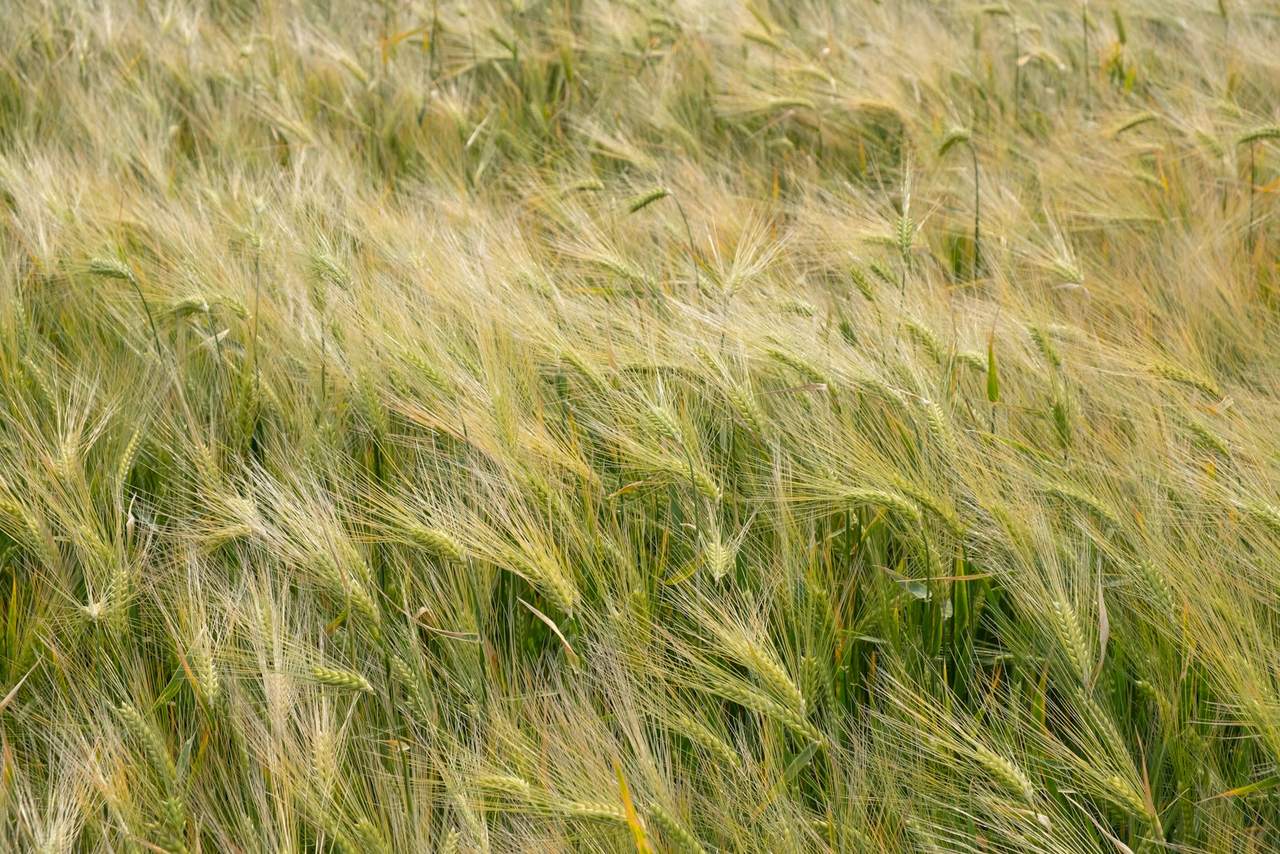
Barley: spring barley production fell 23%, driven by a 17% smaller planted area and an 8.0% lower yield. Winter barley production rose 1.7%, with area up 1.6% and yield unchanged at 6.6 tonnes per hectare. Total barley area fell 9.2%. Every region except Yorkshire and the Humber, which recorded a 2.1% increase, produced less barley than in 2025.
Wheat: area fell 1.8% but the average yield rose 2.7% to 7.2 tonnes per hectare, with yields up in all regions apart from the East of England and the South East. Production rose in northern and Midlands regions and fell in the South East, South West and East of England. Yorkshire and the Humber recorded the largest production increase, 6.5%, and the North East the highest yield, 8.4 tonnes per hectare.
Oats and oilseed rape: the oat area fell from 162,000 hectares to 129,000 hectares and the yield fell 11% to 4.1 tonnes per hectare, ranging from 6.2 tonnes in the North East to 3.4 tonnes in the South West. The oilseed rape area rose from 204,000 hectares to 276,000 hectares and the yield rose 5.9%, with production up in every region and by most in the North East, at 53%.
Straw and method
Wheat straw production is estimated at 3.2 million tonnes, up 24% and the highest since 2022. Barley straw rose 5.4% to 1.3 million tonnes, oat straw fell 5.1% to 187,000 tonnes and oilseed rape straw rose 98% to 125,000 tonnes. Sale or exchange for feed and bedding accounted for 42% of straw use and home use for bedding and feed a further 32%.
The figures come from Defra’s Cereal and Oilseed Rape Production Survey and are based on 1,500 valid farm responses, a 26% response rate. Production is adjusted only where reported moisture exceeds 14.5% for cereals or 9.0% for oilseed rape.
Defra does not rank the harvest against earlier years on a combined basis. An analysis by the Energy and Climate Intelligence Unit (ECIU), reported by FarmingUK, puts England’s combined cereal and oilseed rape harvest at 16.03 million tonnes, below a previous low of 16.16 million tonnes in 2020, in a series back to 1984 that the ECIU reconstructed from UK yields and English areas for years before 1999.
TAD’s reading
- Maltsters and feed compounders: A 23% drop in spring barley output narrows the domestic pool both draw on, and makes the final December figures more important for contract and import planning.
- Oilseed crushers: A 1.0 million tonne English rapeseed crop, up 43%, gives crushers more home-grown seed after a weaker 2025.
- Livestock farms: The largest wheat straw output since 2022 may ease bedding supply for farms that buy in straw, even as oat straw falls.
- Lenders and policy: The regional split, with wheat output down in the South East, South West and East of England and up further north, indicates where arable incomes are likely to be under most pressure this year.