The Food and Agriculture Organization of the United Nations (FAO) said on 2 October 2026 that its Food Price Index averaged 136.0 points in September, up 2.0 points or 1.5% from a revised August level. The index was 5.8% higher than a year earlier but 15.1% below its March 2022 peak. Indices for cereals, vegetable oils and sugar rose, meat fell and dairy was stable.
What moved in September
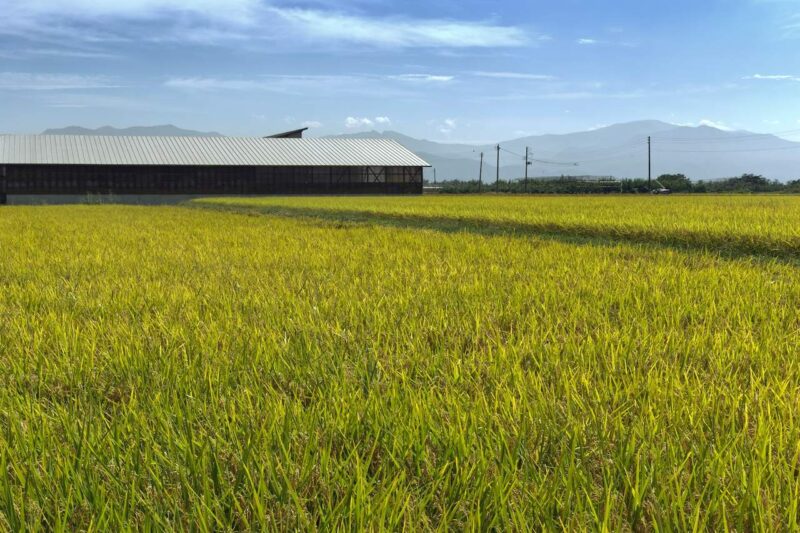
The cereal price index averaged 122.8 points, up 5.1% on the month and 17.2% on a year earlier. FAO said world wheat prices rose 6.3% to their highest since August 2023, largely because of logistical constraints in the Black Sea region, and maize prices rose 5.6% to their highest in more than three years after lower than expected US yields and smaller export availability in Brazil. Sorghum rose 13.7% and barley 3.9%. The FAO All Rice Price Index rose 1.4%.
The vegetable oil index averaged 198.6 points, up 0.9% on the month and 18.3% above a year earlier. Palm oil drove the rise, increasing for a fourth consecutive month on strong import demand and concerns about dry weather in Southeast Asia, while sunflower oil fell for a third successive month.
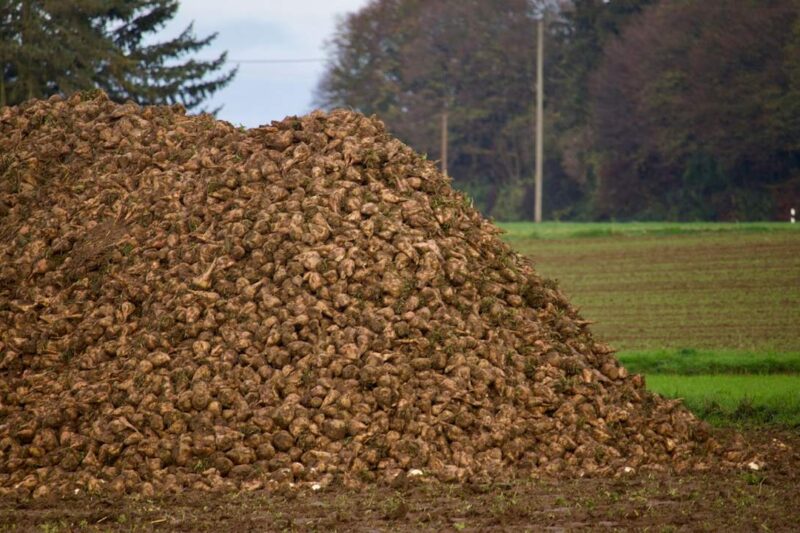
The sugar index averaged 114.0 points, up 6.1% on the month and 14.7% on the year, its highest since April 2025. FAO linked the rise to expectations of tighter 2026/27 supplies, citing a smaller EU sugarbeet crop, lower forecast output in Thailand, concerns over crop prospects in India amid below-normal rainfall and strengthening El Niño conditions, and heavy rain disrupting harvesting in Brazil’s Centre-South region.
The meat index fell 1.1% to 127.9 points on lower poultry and pig meat prices; FAO noted weaker EU poultry import demand after antimicrobial-related import requirements took effect on 3 September. The dairy index slipped 0.1% to 119.1 points and was 19.1% below a year earlier, with milk powder up and cheese down.
Cereal supply outlook
In its Cereal Supply and Demand Brief, released the same day, FAO kept its forecast of 2026 world cereal production broadly unchanged at 2,979 million tonnes, 2.1% below the previous year’s record. Wheat was raised 3.2 million tonnes to 813.9 million tonnes on better prospects in Australia, while coarse grains were cut 3.3 million tonnes to 1,612 million tonnes on hot, dry weather in the EU and the United States.
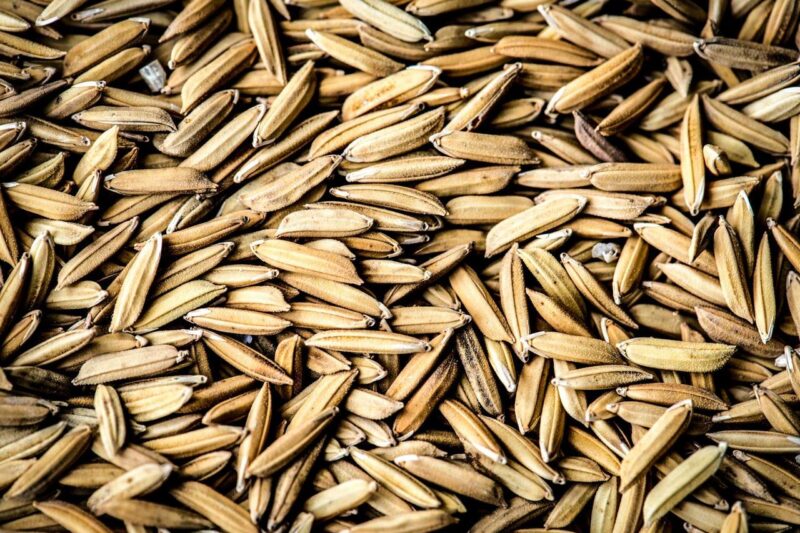
FAO lowered its 2026/27 world rice production forecast by 0.7 million tonnes to 552.5 million tonnes (milled basis), 2.4% below the 2025/26 record. It cited more subdued prospects for India, where main-crop plantings were curbed and reduced, poorly distributed monsoon rains have tightened irrigation water in southern states that grow an important share of the off-season crop. FAO nonetheless raised its forecast of world rice stocks at the close of 2026/27 by 1.8 million tonnes to 216.9 million tonnes, largely on higher expected stocks in India. World cereal stocks are forecast at 950.0 million tonnes and world cereal trade in 2026/27 at 505.8 million tonnes, down 3.5% on the previous season. The next index is due on 6 November 2026.
TAD’s reading
- Sugar mills and distilleries: FAO now names India’s crop among the reasons for higher world sugar prices, which matters for mills planning the 2026/27 crushing season and for any Indian export decision.
- Edible oil importers: A vegetable oil index 18.3% above a year ago, led by palm oil, keeps landed costs a central concern for refiners and packers in import-dependent markets.
- Rice trade: FAO’s view of lower Indian output alongside higher Indian stocks captures the balance Indian procurement and export policy has to strike between production risk and surplus grain.
- Feed users: Maize at a more than three-year high and sorghum up 13.7% in a month raise costs for poultry and dairy integrators that buy feed grains on world markets.