Source.ag, an Amsterdam-based company that builds AI software for greenhouse growers, has acquired Optimal, a London startup whose control engine runs commercial greenhouses autonomously. Source announced the deal on 9 October 2026. Financial terms were not disclosed.
Optimal’s founder and chief executive, Dave Hunter, joins Source as VP Autonomous Control together with Optimal’s engineering team. The release does not say how many people are moving across.
What the two businesses do
Optimal was founded in London in 2016 by Hunter, a former head of quantitative trading at Deutsche Bank and a member of Oxford’s Machine Learning group, according to the release. Its investors include Founders Fund, Backed VC, 2050 and Acequia Capital. The release says its AI directly controls heating, ventilation, screens, lighting, CO2 and irrigation through the grower’s existing hardware.
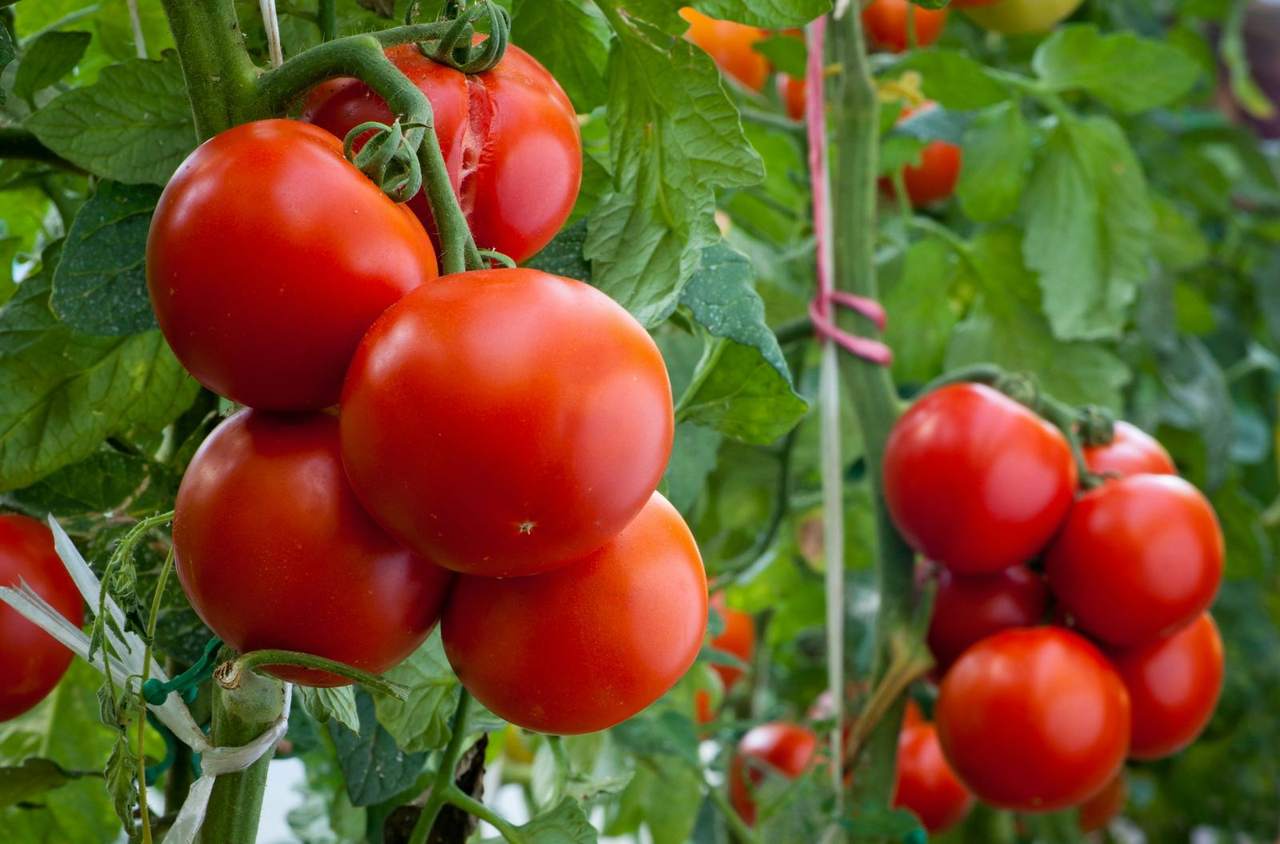
Source describes its own product as AI that simulates crops, forecasts harvests and steers greenhouse operations. The company says its software runs in more than 500 greenhouses in 25 countries and supports €2.5bn of tomato, pepper and cucumber production a year. Dealroom reports that Source has raised €50mn from investors including Astanor Ventures, Acre Venture Partners, Enza Zaden and Harvest House.
Buying Optimal gives Source direct control of the greenhouse climate alongside its crop forecasting. The first autonomous deployments at Source customers in Europe and North America go live this winter, the company says.
“Everyone is talking about physical AI. With this deal we are putting our money where our mouth is.”
Rien Kamman, co-founder and CEO, Source.ag
The performance claim
Source says Optimal’s system delivered 13% more yield with 27% less energy than the benchmark Dutch grower in a commercial-scale greenhouse in the Netherlands, and that Optimal has since run commercial operations in the Netherlands and Canada. These are company figures that TAD has not been able to verify independently. The release does not say when the comparison was made, which crop was grown or how the benchmark grower was chosen.
Hunter said in the release that Optimal had proven applied AI can overcome a scarcity of skilled growers by running greenhouses autonomously. Kees van Veen, chief executive of Agro Care, which the release describes as one of Europe’s largest greenhouse tomato producers and a Source customer, said the company intends to be among the first to use autonomous control.
TAD’s reading
- For UK agritech investors: The deal is an exit for a London-founded controls company to a continental buyer with an installed customer base. With terms undisclosed, it gives no price signal for UK farm software valuations.
- For greenhouse operators: Handing climate control to software moves some responsibility for crop outcomes towards the vendor. Liability for crop losses, data ownership and the right to take back manual control are contract points buyers will want settled before they switch on autonomous mode.
- For Indian protected-cultivation investors: Hunter’s argument that a shortage of skilled growers limits greenhouse operations is one that polyhouse operators can test against their own staffing. The deployments named in the release are in Europe and North America only.