Google said on 15 October 2026 that it is widening access to its Agricultural Understanding models, built by its AnthroKrishi team, by making them available in public preview through an application programming interface for developers, startups and researchers. The models, which Google describes as India-first, now provide insights for 11 countries, according to a Google India blog post by Preeti Lobana, Vice President and Country Manager for India, and Lila Ibrahim, Chief AI Readiness Officer at Google DeepMind.
Google cited two existing users. Amnex has integrated the model APIs into the Government of Gujarat’s Krushi Pragati crop intelligence platform, which Google said supported more than 900 million SMS-based advisories for more than 600,000 farmers in the state in the last year, across more than 14 million hectares. OpenAgriNet, a coalition seeded and led by EkStep Foundation, has used the APIs for an analytics dashboard for agricultural administrators and is exploring the model outputs for a wider application. Google did not say whether or how it will charge for access after the preview.
A sorghum atlas from ICRISAT’s genebank
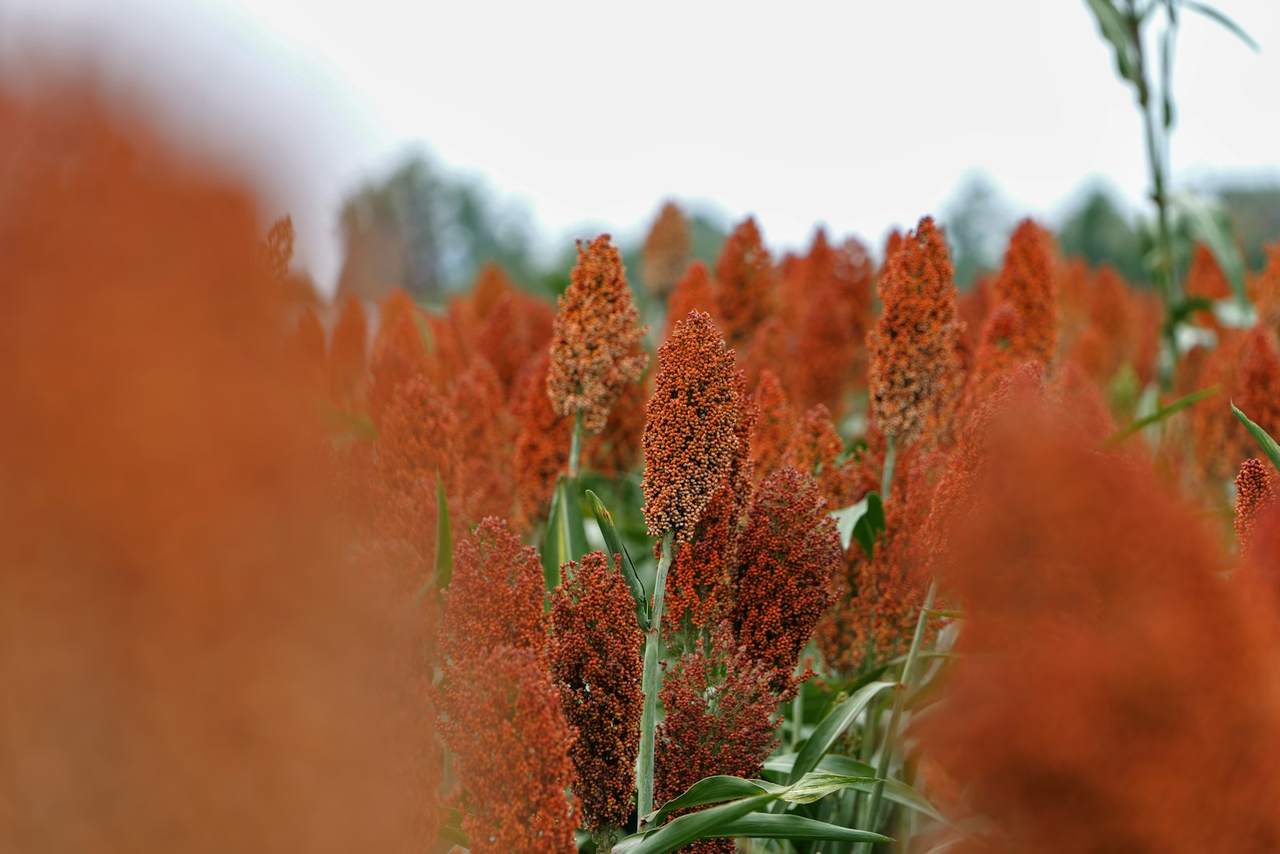
In the same announcement, Google DeepMind and Google.org, through the AI Collaborative for Food Security, said they are working with the International Crops Research Institute for the Semi-Arid Tropics (ICRISAT), headquartered in Hyderabad, the HudsonAlpha Institute for Biotechnology and the University of Washington’s Department of Genome Sciences to build an open-access genetic atlas of sorghum. The project draws on a representative sample from ICRISAT’s genebank of more than 44,000 genetic samples from over 90 countries, including India, and pairs genetic analysis with machine learning to identify the most promising plant combinations for breeders. ICRISAT republished the announcement on 16 October with added comments, including from Abi Ramanan, Portfolio Lead, Food Security at Google DeepMind, who described the project as open-sourcing the first Global Dryland Sorghum Pangenome.
For breeders and researchers worldwide, pangenomes are valuable resources for accelerating the development of climate-resilient crop varieties.
Dr Damaris A. Odeny, Project Principal Investigator and Principal Scientist, ICRISAT
Fellowship and funding
Google DeepMind will also support a three-year postdoctoral fellowship at ICRISAT to build tools to characterise the genomes of other crops, including chickpea, groundnut and pigeon pea. It is DeepMind’s first fellowship in India and its first outside the UK, the organisations said. Neither disclosed the value of the funding or a completion date for the atlas.
TAD’s reading
- Agtech startups: API access to models already running inside a state advisory platform could cut the cost of building field-level services, but the terms after the preview will decide who can build on them.
- Seed companies: An open-access sorghum pangenome could shorten trait discovery for millet breeders without their own genomic resources.
- State governments: Gujarat’s use of the models through Amnex shows one route for states to add AI crop intelligence to advisory systems via a private integrator.
- Data governance: The announcement does not say what data, if any, flows back to Google from platforms that call the APIs, a question for agencies that integrate them.