The University of Lincoln will lead a new national hub to help farms and food manufacturers adopt robotics, after securing £4.8 million as part of a £7.1 million investment, it said on 9 October 2026. The hub, called HARVEST, will be based at the university’s Riseholme Park campus, according to a University of Lincoln release.
HARVEST is one of eight Robotics Adoption Hubs that the UK government said it was rolling out from 9 October, backed by £40 million in total. Lincoln’s funding is part of the Robotics Adoption programme delivered by Innovate UK and of UK Research and Innovation’s IS8 Advanced Manufacturing Programme. The university says it was one of eight hubs selected from 74 applications nationwide. Kanishka Narayan, Minister of State and Minister for Artificial Intelligence, launched the hub during a visit to Riseholme.
What the money pays for
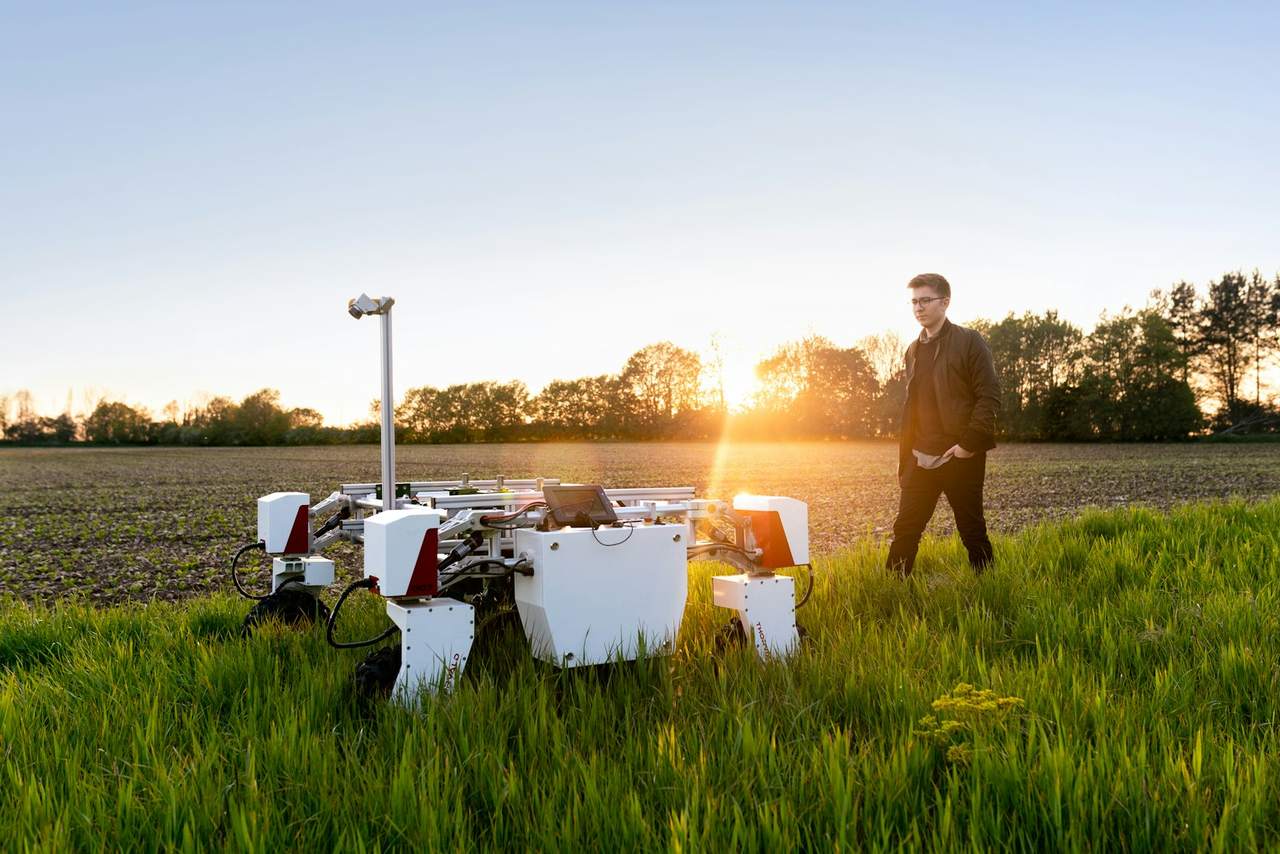
The university says the funding includes £500,000 for a dedicated robot test track at Riseholme, along with specialist staff, technical capability and industry engagement. A £1 million Acceleration Fund will be open to agri-food robotics businesses from across the UK, which can apply for help with specific problems that would otherwise prevent adoption of their products. The government describes HARVEST as tackling barriers to robotics across the agri-food sector, with testbeds covering arable farming, fruit, vegetables and food manufacturing.
HARVEST features a state-of-the-art Test Track, hosted at the University’s Riseholme Park farm campus, and industry-led Living Labs to facilitate development, testing and demonstration for agri-food robotics businesses across the UK.
Professor Elizabeth Sklar, Director of the Lincoln Institute for Agri-food Technology and Director of HARVEST
Named partners are robotics developers Saga Robotics, Dogtooth Technologies, Dynium and JABAS AI; agri-food businesses Cranswick plc, B-Hive Innovations, Dyson Farming Research and British Berry Growers; and Barclays Eagle Labs, Agri-TechE and Bishop Burton College, which will help with commercial, sector and training issues. Agri-TechE says it will lead knowledge exchange and industry engagement for the hub, and that the hub will run for four years. The university’s release does not state the duration or how the £7.1 million divides between grant funding and partner contributions.
The national programme
The other hubs cover surgical robotics, the Greater South West, Milton Keynes, Welsh manufacturing, waste and recycling, Yorkshire manufacturing and South Wales, according to the government announcement. Each is meant to give organisations impartial advice on the benefits, costs and practical requirements of robotics and connect them with suppliers, integrators and finance providers. The programme is also funding a £1.7 million convening body, delivered by The Welding Institute (TWI) with Anglia Ruskin University, and £2.5 million for 12 skills projects. The government cites estimates that robotics and autonomous systems could add £150 billion to the UK economy by 2035 if adoption is maximised, against £6.4 billion at current levels of adoption.
If we can harness robotics in every sector of our economy, we can speed up how we reindustrialise the UK. It really is that simple, but too often businesses and bosses don’t know where to start.
Kanishka Narayan, Minister for AI, 9 October 2026
TAD’s reading
- For robotics developers: A £1 million Acceleration Fund spread across UK agri-food robotics firms will pay for targeted fixes, not product development. Companies with machines close to commercial use, and a clear regulatory or integration blocker, stand to gain most.
- For growers and processors: With British Berry Growers among the partners and fruit among the testbeds, soft fruit looks well represented. Arable and vegetable growers should watch whether the Riseholme test track produces comparable, independent performance data for their crops.
- For Indian manufacturers and investors: The hub treats adoption barriers such as regulation, workforce skills and finance as the problem to solve, rather than technology alone. Neutral test-track results of the kind HARVEST plans could become a reference point for buyers comparing field robots across markets.