A United Nations initiative on the use of artificial intelligence and connected devices in farming and food systems held its second meeting in New Delhi, the Department of Telecommunications (DoT) said on 10 October 2026. The Telecommunication Engineering Centre (TEC) of DoT hosted the meeting of the Global Initiative on AI for Agri-Food Systems (GI-AI4FS) alongside India Mobile Congress 2026, jointly with the Indian Council of Agricultural Research (ICAR), according to a government release.
GI-AI4FS is coordinated by the International Telecommunication Union (ITU) in close collaboration with the Food and Agriculture Organization of the United Nations (FAO), the International Fund for Agricultural Development (IFAD) and the World Food Programme (WFP). About 70 delegates attended in person and 25 online, from international organisations, government departments, agricultural research institutions, academia, industry and standards development organisations.
Who spoke and what was decided
Dr Sebastian Bosse, Chair of GI-AI4FS, opened the meeting. Keynote addresses came from Krishnan Pallassana, Senior Specialist for Strategy, Innovation and Partnerships at FAO; Dr Bilel Jamoussi, Deputy Director of ITU’s Telecommunication Standardization Bureau; Dr A. K. Nayak, Deputy Director General (Natural Resource Management) at ICAR; and Syed Tausif Abbas, Senior Deputy Director General and Head of TEC.
The agenda covered the initiative’s governance and organisation: a proposed governance and coordination structure, the nomination and confirmation of working group chairs, co-chairs and members, terms of reference for the working groups, and the choice of priority areas and initial work streams. The release does not say who was confirmed as working group chairs, which priority areas were chosen or when the next meeting will be held.
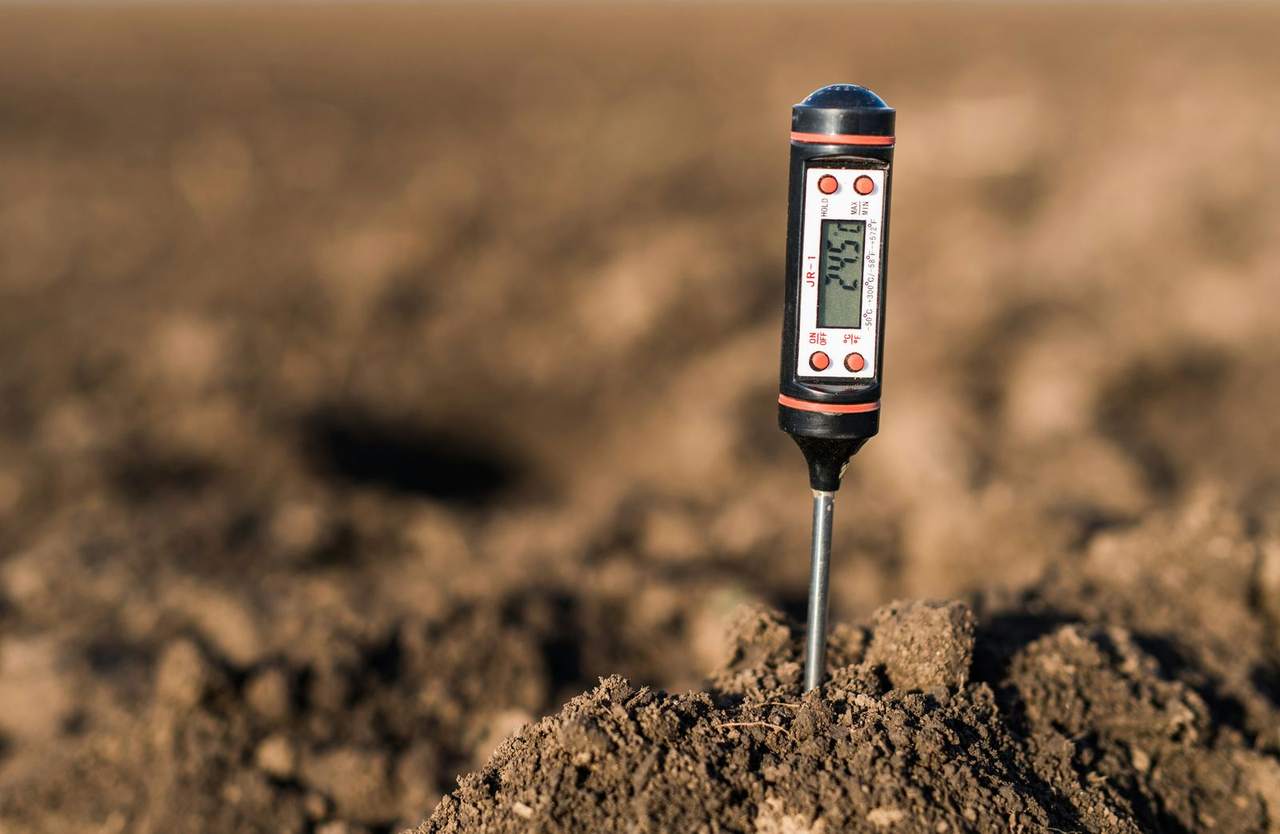
According to the release, the meeting discussed how connected sensors, weather stations, drones, satellite-based systems and AI-enabled analytics can support precision agriculture, resource use and early detection of crop diseases, and how digital tools can improve traceability and cut post-harvest losses. It said the meeting promoted trustworthy and interoperable farmer-centric AI solutions and international cooperation on governance and standards.
Hackathon outcomes shown
The meeting followed a two-day International Hackathon on AI for Agri-Food Systems, held on 8 and 9 October 2026 at the ICAR campus in New Delhi and jointly hosted by TEC and ICAR. Shortlisted teams presented their solutions at the GI-AI4FS meeting, and winning entries were recognised at an award ceremony. The release does not name the winning teams, the number of entries or any prizes.
ITU’s initiative page describes its aim as using AI and other technologies to raise productivity through e-agriculture and improve the efficiency and traceability of food value chains. It lists Seizo Onoe, Director of ITU’s Telecommunication Standardization Bureau, and Charles Spillane, Chief Scientist at FAO, on the initiative’s High-Level Steering Committee, and Bosse, head of the Interactive and Cognitive Systems group at Fraunhofer Heinrich Hertz Institute in Berlin, as Technical Chair. The page says Bosse has chaired the ITU focus group on AI for agriculture since 2021.
TAD’s reading
- For agtech companies: Working group terms of reference are where interoperability and data rules for farm AI start to take shape. Indian firms building advisory, sensor and drone analytics products have more influence over these early drafts than over finished standards.
- For policymakers: Pairing DoT’s Telecommunication Engineering Centre with ICAR puts India’s agricultural research system at the table alongside connectivity specialists, which matters if AgriStack and state advisory platforms are to exchange data with private tools.
- For investors: UN standards work moves slowly and this meeting dealt mainly with structure. Commercial effects are unlikely in the near term, but the priority areas, once published, will signal which applications buyers and regulators expect to see certified first.