India’s information technology minister used farm examples to make the case for artificial intelligence at the India launch of the World Bank Group’s World Development Report 2026: The Promise of Artificial Intelligence in New Delhi on 8 October 2026. Ashwini Vaishnaw, Union Minister for Electronics and Information Technology, Railways, and Information and Broadcasting, presented the report at The Oberoi, at an event organised by the IndiaAI Mission of the Ministry of Electronics and Information Technology (MeitY) with the World Bank Group, according to a government release.
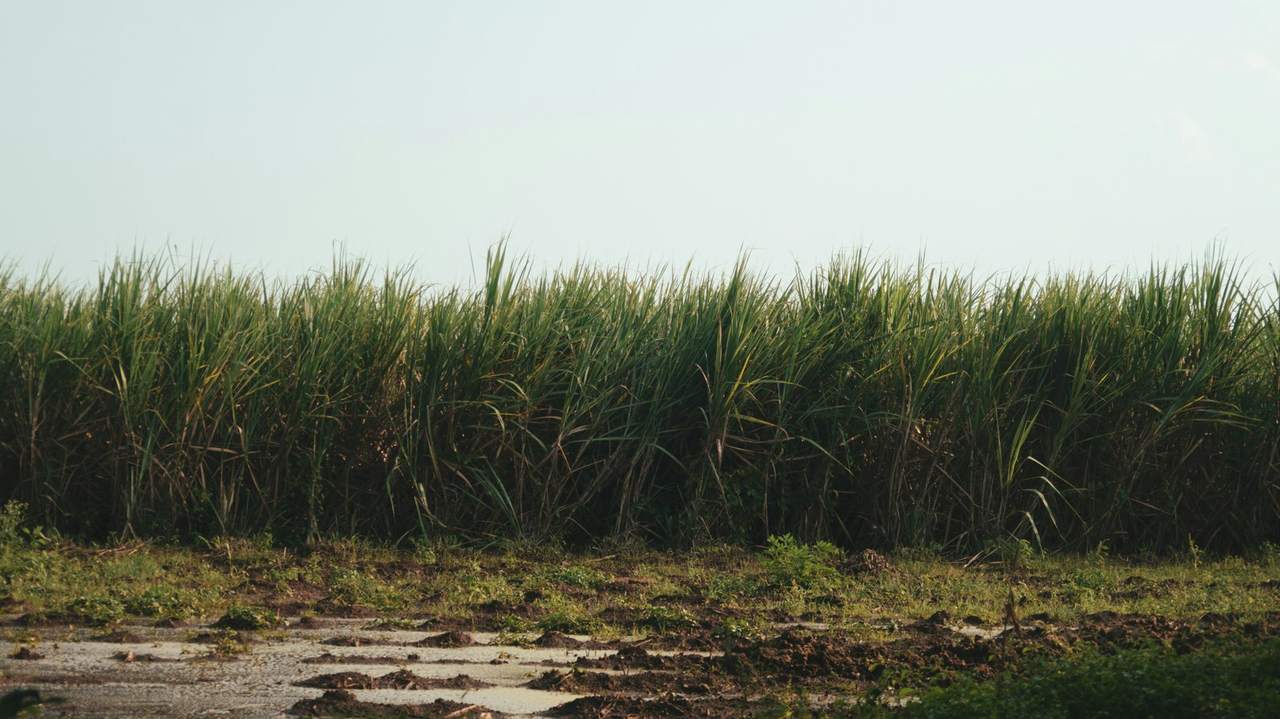
AI is changing the lives of ordinary people. In Baramati, sugarcane yields rose by 40 per cent with 30 per cent less water and fertiliser, for farmers who have never used a computer simply through voice on a phone.
Ashwini Vaishnaw, Union Minister of Electronics and IT, 8 October 2026
According to the release, the minister said the Baramati initiative draws on satellite, IoT and weather data and has also lowered labour costs. He said AgriStack is being used by 5 lakh farmers in Gujarat, and that AI for animal health through Sarlaben is benefiting 3 crore cattle and their farmers. The release does not say who runs the Baramati project, how many farmers or hectares it covers, over what period the results were measured, or which study supports the figures.
World Bank points to monsoon forecasts
Michael Kremer, Chief Economist and Senior Vice President of the World Bank Group, gave the keynote lecture, titled “From AI Pilots to Scale: The Promise of AI in India”. He cited India’s AI-based monsoon forecasting as an example for the world. According to the release, the government, through its meteorological agencies and the Ministry of Agriculture, tested and combined multiple AI models, including open-access models, and delivered forecasts to millions of farmers through text, voice and AI-powered advisories. Kremer said the model predicted the unusual 2025 monsoon and that Ethiopia is now following India’s lead, and that where commercial incentives are weak but the social potential is high, government has an important role to play.
For the scale up of AI solutions, we need a full stack approach, not just elements of the software but humans and institutional elements that come along with it.
Michael Kremer, Chief Economist, World Bank Group
The report itself was released in Washington on 4 August 2026. Its main messages say AI-generated weather forecasts are helping farmers make better production choices where agricultural experts are few, and that governments, as users of AI, should test, evaluate, buy and expand successful AI solutions in areas such as agricultural extension, health care and education.
Maharashtra shows MahaVISTAAR
A State AI Showcase followed the panel discussion. Fahim Shaikh of Maharashtra’s PoCRA project presented MahaVISTAAR AI, described in the release as a connected platform for personalised advisories, digital services and farmer engagement. Gaurav Nayyar, Director of World Development Report 2026, presented the report’s findings: countries should adopt and adapt AI before trying to advance it, and only one of the world’s 25 low-income countries has published a national AI strategy. A panel included Vivek Raghavan of Sarvam AI, Neeraj Agrawal of Wadhwani AI, Maneesh Singh of BharatGen and Shankar Maruwada of EkStep Foundation.
TAD’s reading
- For agri-input and advisory companies: The government is presenting voice-based, satellite and weather-driven advisory as proven and ready to scale. Private advisory products that compete with free public services will need to show results that go beyond what state platforms such as MahaVISTAAR already offer.
- For investors: The Baramati numbers come from a ministerial speech, not a published evaluation. Due diligence on AI advisory start-ups should ask for trial design, control groups and the season in which results were measured.
- For state agriculture departments: The report’s advice to adapt existing models rather than build new ones, and to buy and evaluate AI in extension services, favours states with clean farmer and land data. AgriStack coverage is likely to decide which states can show measurable results first.