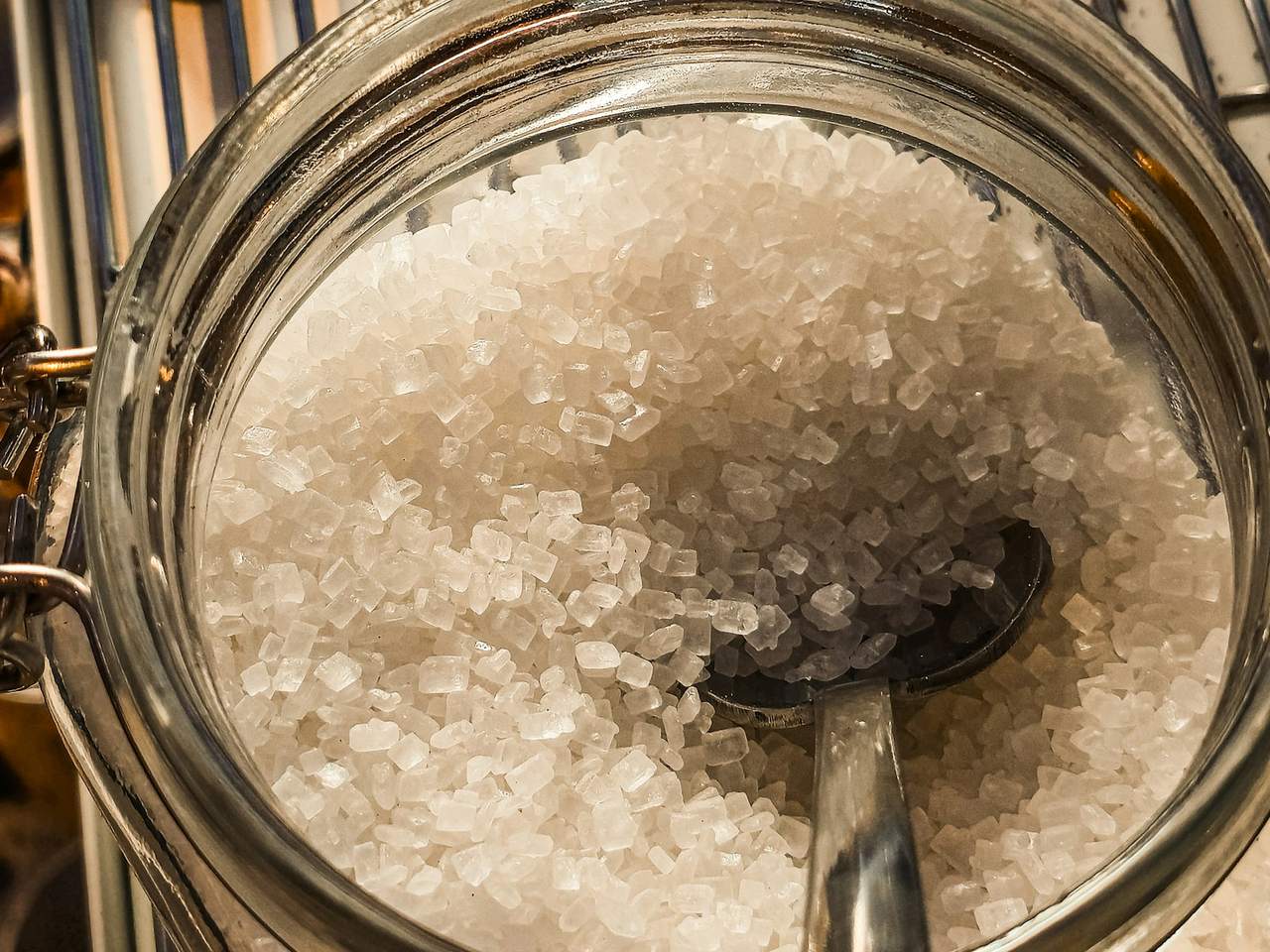
India’s Ministry of Consumer Affairs, Food and Public Distribution has tightened stock rules for sugar dealers at the start of the 2026-27 sugar season, which began on 1 October. Under revised provisions announced in a release on 1 October 2026, a sugar dealer may not hold sugar for more than 15 days from the date of receipt, and may not hold more than 1,000 quintals at any time and at any place in the country. The limits apply from 15 October to 30 November 2026.
The exceptions are Kolkata and its extended metropolitan areas and the State of Assam, where the limit is 2,000 quintals. The ministry says Kolkata sources sugar from Uttar Pradesh, Maharashtra and Karnataka and supplies eastern India, including the North-Eastern region, and that the higher Assam limit reflects geographical constraints, transport logistics and consumer interest in the region.
The release does not cite the order or legal provision under which the limits are imposed, and it does not say how compliance will be checked.
Why the government acted
The ministry says the aim is to curb hoarding, discourage speculative trading and stop sugar from accumulating in the distribution chain during the festive season. It reports that average retail sugar prices have fallen by 15% from their August peak, and that ex-mill prices are down by about 28% and have been stable for the last three weeks. Wholesalers and retailers were urged to pass the lower ex-mill prices on to consumers.
Mills have been advised to start crushing in line with agro-climatic conditions in their regions, the release says, and the government will monitor the impact on sugarcane of uneven and deficient rainfall associated with El Niño conditions in some producing regions. It describes sugarcane farmers and consumers as “the two central pillars of India’s sugar policy”.
The measures follow other interventions this year. According to Business Standard, the government prohibited exports of raw, white and refined sugar in May until 30 September, and in August allowed 1 million tonnes of raw sugar to be imported at zero duty, against a normal duty of 100%, with an import cut-off of 31 October. The same report puts the 2026-27 fair and remunerative price for sugarcane at Rs 365 per quintal at a basic recovery rate of 10.25%. The 1 October release does not set out export policy for the 2026-27 season.
EU quota notified
On 9 October the Directorate General of Foreign Trade (DGFT) issued Public Notice No. 32/2026-2027, allocating 5,841 MT of sugar for export from India to the EU under the tariff rate quota (TRQ) for 2026-27, covering October 2026 to September 2027. Sugar exports to the EU under the TRQ, HS code 17010000, are “Free” subject to the conditions in Notification No. 03/2015-20. The Agricultural and Processed Food Products Export Development Authority (APEDA) will operate the quota, and certificates of origin, where required, will be issued by the Additional Director General of Foreign Trade in Mumbai on APEDA’s recommendation. The notice is signed by Lav Agarwal, Director General of Foreign Trade.
TAD’s reading
- For mills and dealers: A 15-day holding window forces faster turnover between mill dispatch and retail, which pushes more of the storage burden back to mills during the peak festive weeks.
- For bulk users: Food and beverage companies that source through dealers should check whether their suppliers’ stock plans fit the new caps, since the release does not address buyers other than dealers.
- For exporters: The EU quota is small and was notified on its own, separate from any wider export decision. The ministry’s references to El Niño and deficient rain suggest a broader export call will wait for a clearer crop picture.