India’s Union Minister for Agriculture and Farmers’ Welfare, Shivraj Singh Chouhan, has asked every state and district to assess the water available for irrigation before finalising crop plans for the rabi season, after a monsoon that ended below normal. He gave the instruction on 28 September 2026 at the two-day National Agriculture Conference, Rabi Campaign 2026, at the NASC Complex in Pusa, New Delhi, according to a Press Information Bureau release.
Chouhan called the water budget one of the most important parameters for rabi planning. Areas with limited water should prioritise less water-intensive crops such as pulses and oilseeds, while areas with assured irrigation can plan other crops, the release said. States were asked to assess water availability and soil moisture in vulnerable areas, arrange irrigation in advance and prepare separate strategies for rainfed and irrigated areas.
There should be no situation where a crop requiring more water is sown and adequate water is subsequently unavailable, resulting in crop losses.
Shivraj Singh Chouhan, Union Minister for Agriculture and Farmers’ Welfare and Rural Development, 28 September 2026
Drought states in focus
Chouhan said nearly two-thirds of Maharashtra had been affected and the state had declared drought, while Karnataka faced drought-like conditions. A Central team would make a ground assessment in Karnataka on 3 October and another team would go to Maharashtra, he said. Maharashtra, Karnataka, Telangana and Andhra Pradesh would need crop plans based on water availability and soil moisture. He also said rainfall had stayed below normal but not to an extent that would severely affect water availability at the national level, although shortages in some states remained a concern.
States were asked to finalise rabi plans by 29 September showing the area to be brought under pulses and the crops to be promoted, including chana, masoor and mustard. Chouhan urged states to use land left fallow after paddy for pulses, and on 29 September called for large-scale promotion of pulse cultivation in rice fallow areas of eastern India, particularly Jharkhand, Bihar, Odisha and West Bengal.
Soil health campaign and fertiliser use
On the conference’s second day, Chouhan called for a nationwide Khet Bachao Abhiyan from 22 October to 30 November 2026. The campaign will use Soil Health Cards to promote balanced fertiliser use to protect soil fertility and beneficial insects, the ministry said. Chouhan said the Centre is spending around ₹2 lakh crore on fertiliser subsidy, with farmers paying ₹266 a bag for urea and ₹1,350 a bag for DAP, and that excessive application raises costs and can affect soil health.
Agriculture Secretary Atish Chandra pointed to the Per Drop More Crop initiative and soil health management, and ICAR Director General M.L. Jat said large-scale green ammonia demonstrations are planned across 10,000 acres in 37 districts of six states this season. The ministry has not published state or district water budgets, or said how rabi plans will be checked against reservoir and groundwater data.
According to Down To Earth, Chouhan told reporters on 29 September that the 2026-27 foodgrain production target is 373.93 million tonnes, including 177.72 million tonnes for rabi, and that ICAR will carry out a district-level assessment of groundwater availability.
TAD’s reading
- Seed companies: A water-led crop plan tilts demand towards pulse and oilseed seed in deficit districts, so stock placed district by district, not state by state, will matter more this season.
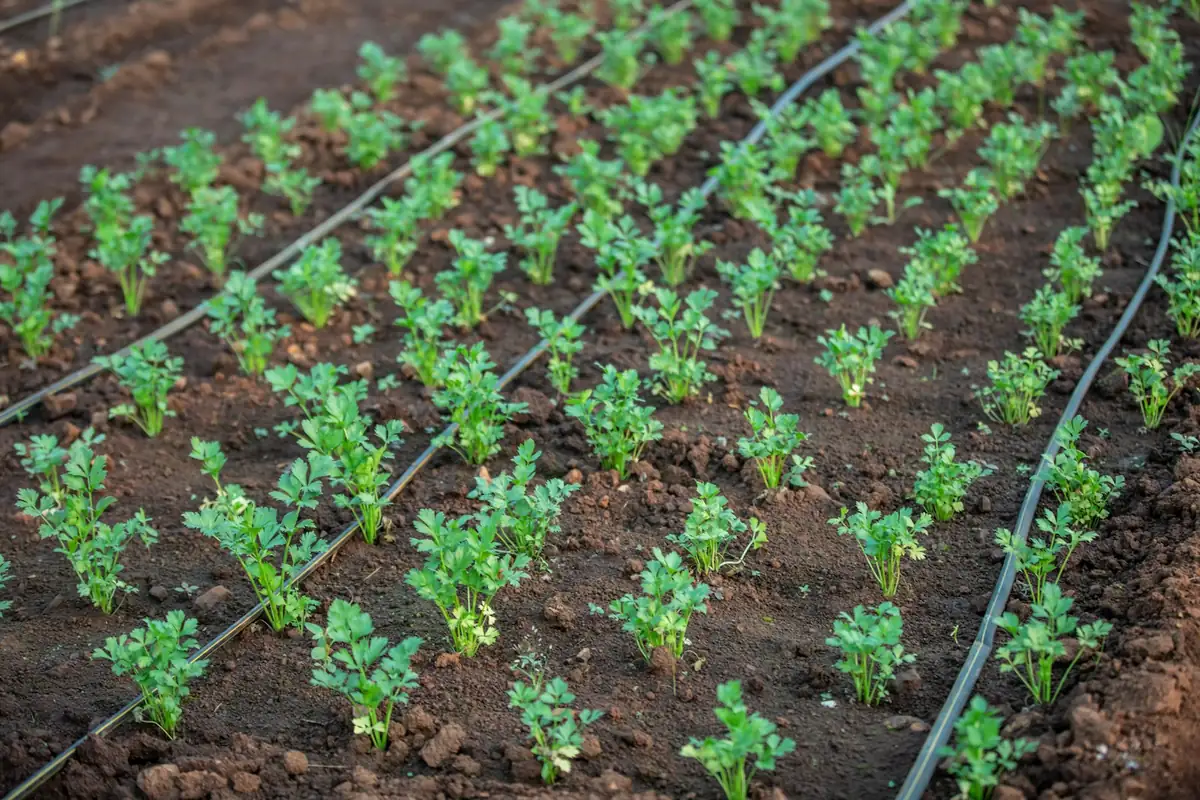
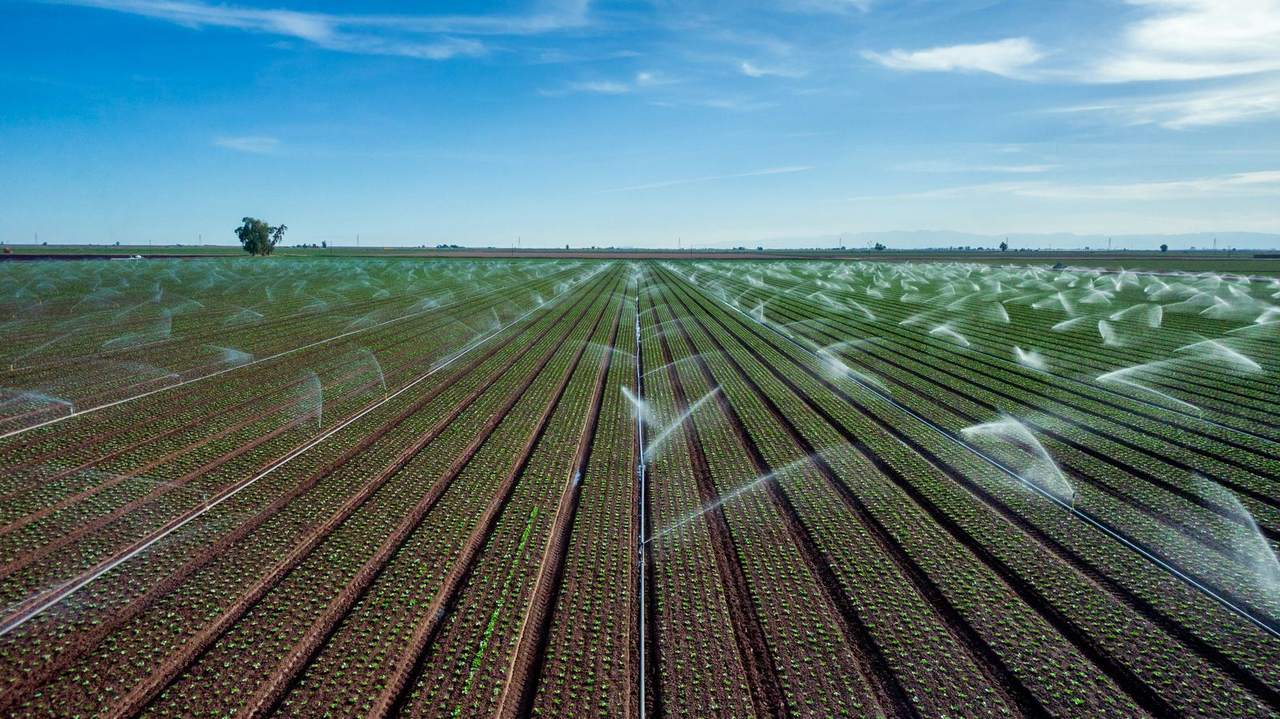
- Irrigation suppliers: The repeated official emphasis on advance irrigation arrangements and Per Drop More Crop keeps water-saving irrigation on the agenda in the four states named.
- Fertiliser companies: A Soil Health Card-based push for balanced use is a volume risk for heavy urea and DAP use and an opening for soil testing and nutrient advisory services.
- FPOs: Without published water budgets, producer organisations will need their own reading of local water and soil moisture data to time rabi input purchases.