Mahindra & Mahindra said on 12 October 2026 that it had begun commercial production and supply of the MaxSeeder, a zero-till, multi-crop seeding machine made under licence from Clean Seed Technologies of Canada. The machine is made at Mahindra’s farm machinery plant in Pithampur, Madhya Pradesh, and will be sold through Mahindra Farm Equipment Business dealerships, starting in Punjab and Haryana before a phased expansion across India, the company said in a press release.
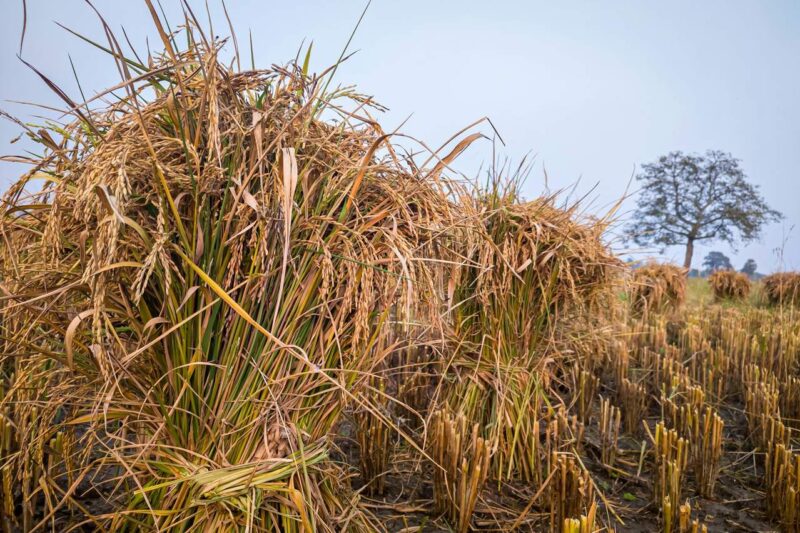
Mahindra says the seeder can sow rice, wheat, soybean, maize and cotton, and that farmers can sow directly into paddy residue instead of burning it. It has five independent planting row units with adjustable row spacing. An electronic control unit, which can be operated from an app on a mobile phone, meters seed, DAP and urea, and a multifunctional tyne places urea about 1.5 inches below the seed line. The machine is tractor-trailed and can be run with a tractor of 35 HP or above. Mahindra said field trials in Punjab and Haryana showed it could sow into heavy paddy residue with minimal soil disturbance; it did not publish trial data. Prices, production volumes and the financial terms of the licence were not disclosed.
Mahindra is proud to partner with Clean Seed to deliver sustainable, mechanisation solutions to farmers world over.
Veejay Nakra, President, Farm Equipment Business, Mahindra & Mahindra Ltd.
A licence signed in 2024
Clean Seed Capital Group, listed on the TSX Venture Exchange, announced a definitive technology licence and manufacturing agreement with Mahindra in February 2024, which it described as a worldwide licensing, manufacturing and global supply deal starting with India. In October 2025 Clean Seed said full-scale production of its SMART Seeder MINI-MAX had begun at Pithampur, with units being prepared for shipment to Mexico and Brazil and first orders shipped to Canada. The October 2026 announcement adds commercial supply to Indian farmers through Mahindra’s own dealer network under the MaxSeeder name.
Stubble season timing
The launch falls in the paddy harvest. On 13 October the Centre asked Madhya Pradesh, Rajasthan, Punjab, Haryana and Delhi-NCR to work in mission mode against stubble burning, Business Standard reported. The paper said the Centre has supplied more than 3.54 lakh crop residue management machines to states, and that a central survey found about 40% of older machines in Punjab and 48% in Haryana idle or non-functional. It reported that farmers get only 20 to 25 days between paddy harvest and wheat sowing.
TAD’s reading
- Machinery makers: Pitching a seeder that works behind a 35 HP tractor targets the large base of mid-power tractors, not just the higher-horsepower units bought for residue work.
- Dealers: With many older residue machines reported idle, demand may shift to machines that clear the sowing window in a single pass with seed and fertiliser placement.
- Fertiliser suppliers: Banded placement of urea and DAP below the seed is designed to cut fertiliser use, which would reduce volumes per hectare if widely adopted.
- Clean Seed investors: Without disclosed royalties or volumes, the value of the India launch to the licensor cannot yet be judged.