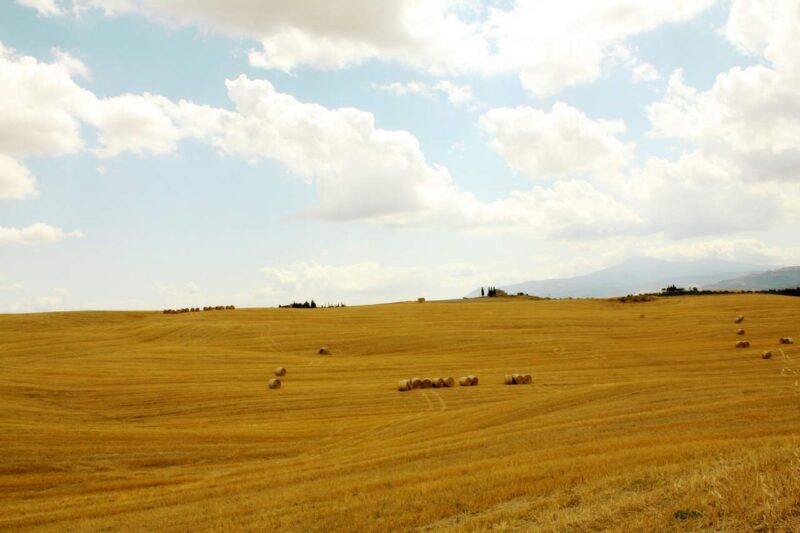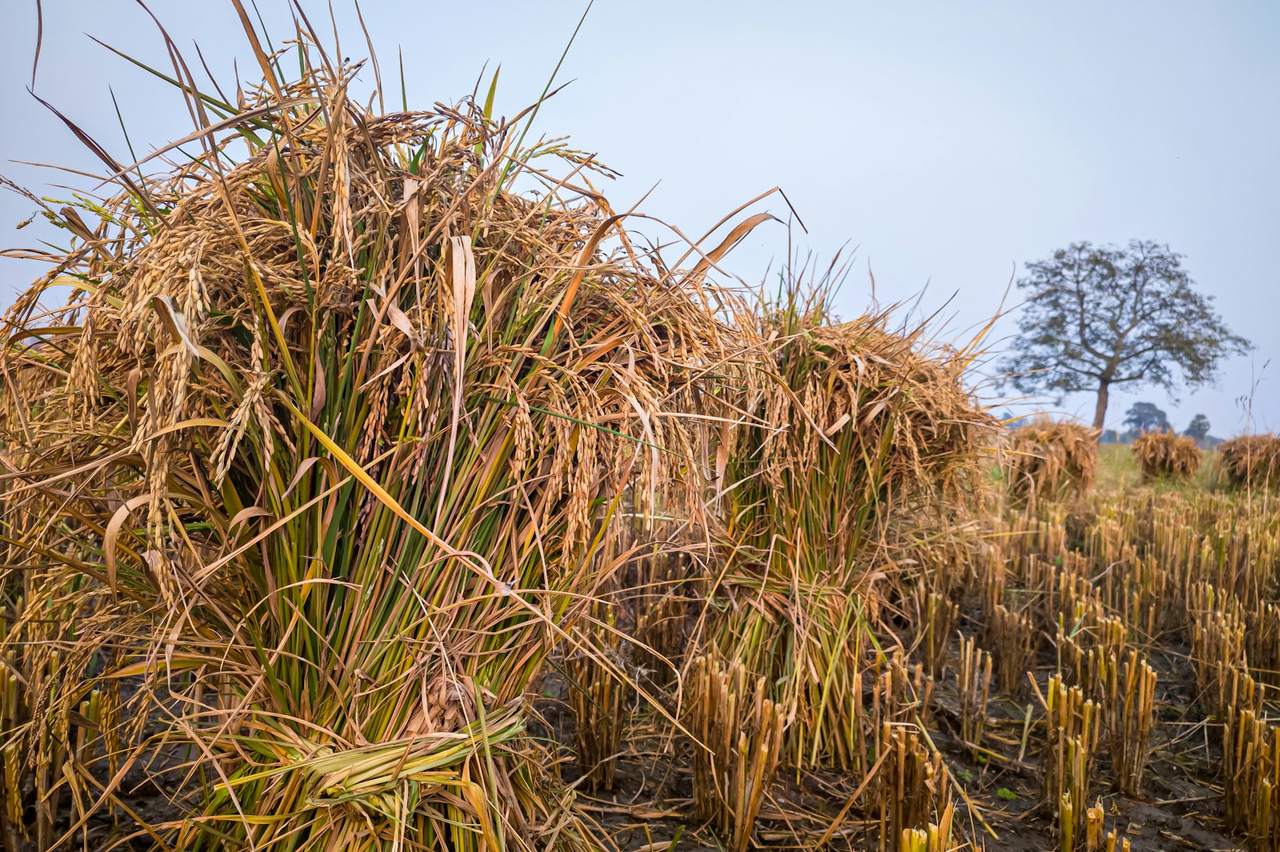
The Commission for Air Quality Management in NCR and Adjoining Areas (CAQM) has deployed flying squads in 34 districts of Punjab and Haryana to prevent paddy stubble burning during the 2026 harvest, according to a release issued on 5 October 2026. The squads cover 18 districts in Punjab and 16 in Haryana from 1 October to 30 November 2026, following a communication from CAQM to the Central Pollution Control Board (CPCB).
The squads will assess the situation on the ground in their allocated districts and coordinate with farmers, the Parali Protection Force, district authorities, state nodal officers, state pollution control boards and the CAQM Cell at SAS Nagar. They will report the ground situation and the steps taken to the CAQM Cell every day. CAQM said the deployment runs in phases, with squads assigned to districts for different periods across the season.
The Punjab districts include Sangrur, Tarn Taran, Firozpur, Muktsar, Bathinda, Amritsar, Moga, Mansa, Fazilka, Patiala and Ludhiana. In Haryana the list includes Jind, Fatehabad, Hisar, Kaithal, Sonipat, Sirsa, Karnal and Kurukshetra. CAQM did not say how many officials are in each squad or what the deployment costs.
Early fire counts
Punjab had recorded 84 fire incidents this season as of 5 October, according to an IANS report citing a CAQM monitoring report. Officials inspected 78 of them and confirmed residue burning at 30 sites, the report said. Environmental compensation of Rs 1.40 lakh was imposed in 28 cases, of which Rs 55,000 had been recovered, with red entries made in 13 cases and one FIR registered. Amritsar accounted for 49 of the incidents and Tarn Taran for 18. CAQM’s releases did not give comparisons with earlier seasons.
Targets and field reviews
On 29 September, CAQM’s Sub-Committee on Safeguarding and Enforcement, chaired by CAQM Chairperson Rajesh Verma, reviewed the preparedness of Punjab, Haryana and Uttar Pradesh to implement Direction No. 99 of 15 May 2026 and their stubble burning action plans for 2026, which CAQM said aim at complete elimination of such incidents. The review covered crop diversification, promotion of direct seeded rice, use of crop residue and farmer awareness.
On 9 and 10 October a CAQM team led by Dr S.D. Attri, Member (Technical), visited Amritsar and Tarn Taran, which the commission has identified as hotspots. CAQM said balers were operating in both districts and that Amritsar had set up a supply chain linking farmers and aggregators with industries that use paddy straw bales in boilers. Tarn Taran had substantially achieved its targets for procurement and availability of crop residue management (CRM) machinery, the commission was told. Amritsar has also opened a control room and help desk to identify farmers who need CRM machines.
TAD’s reading
- Machinery and baling operators: CAQM’s focus on balers, CRM machine availability and ex-situ supply chains supports demand for straw collection services in Punjab’s hotspot districts through November.
- Biomass buyers: The Amritsar model of farmers, aggregators and boiler-using industries is the arrangement regulators are pointing to, which favours firms able to sign straw offtake agreements.
- Agricultural emissions: Daily squad reports add field verification to enforcement; the fire tally through November will show whether penalties and machinery access change practice on the ground.