The Indian Council of Agricultural Research (ICAR) and the Food Corporation of India (FCI) signed a memorandum of understanding on 30 September 2026 to research alternative fumigation technologies for storage pests in wheat and rice, the Ministry of Agriculture and Farmers Welfare said in a release on 1 October. The study is supported by the Department of Food and Public Distribution (DFPD) in the Ministry of Consumer Affairs, Food and Public Distribution.
The two-year first phase will be run by the ICAR-Central Institute of Post-Harvest Engineering and Technology (CIPHET) in Ludhiana. The budget was not disclosed, and the release does not name the warehouses or silos where the trials will take place.
Why the government wants alternatives
According to the release, India’s grain reserves have relied for decades on aluminium phosphide (ALP) and malathion for post-harvest pest control. It says widespread and repeated use has led to pest resistance frequencies of 72 to 100% in key Indian states and to more frequent fumigation cycles that push up operating costs. It also cites respiratory risks to workers and long-term ecological risks from current chemical methods. The release does not name the pest species or the states behind the resistance figures, or the studies they come from.
What will be tested
The release says the project aims to standardise the commercial use of nitrogen gas, carbon dioxide, and a combination of carbon dioxide and phosphine. Phase I covers three trials:
- Fumigation with nitrogen gas of more than 99% purity for wheat stored in metal silos.
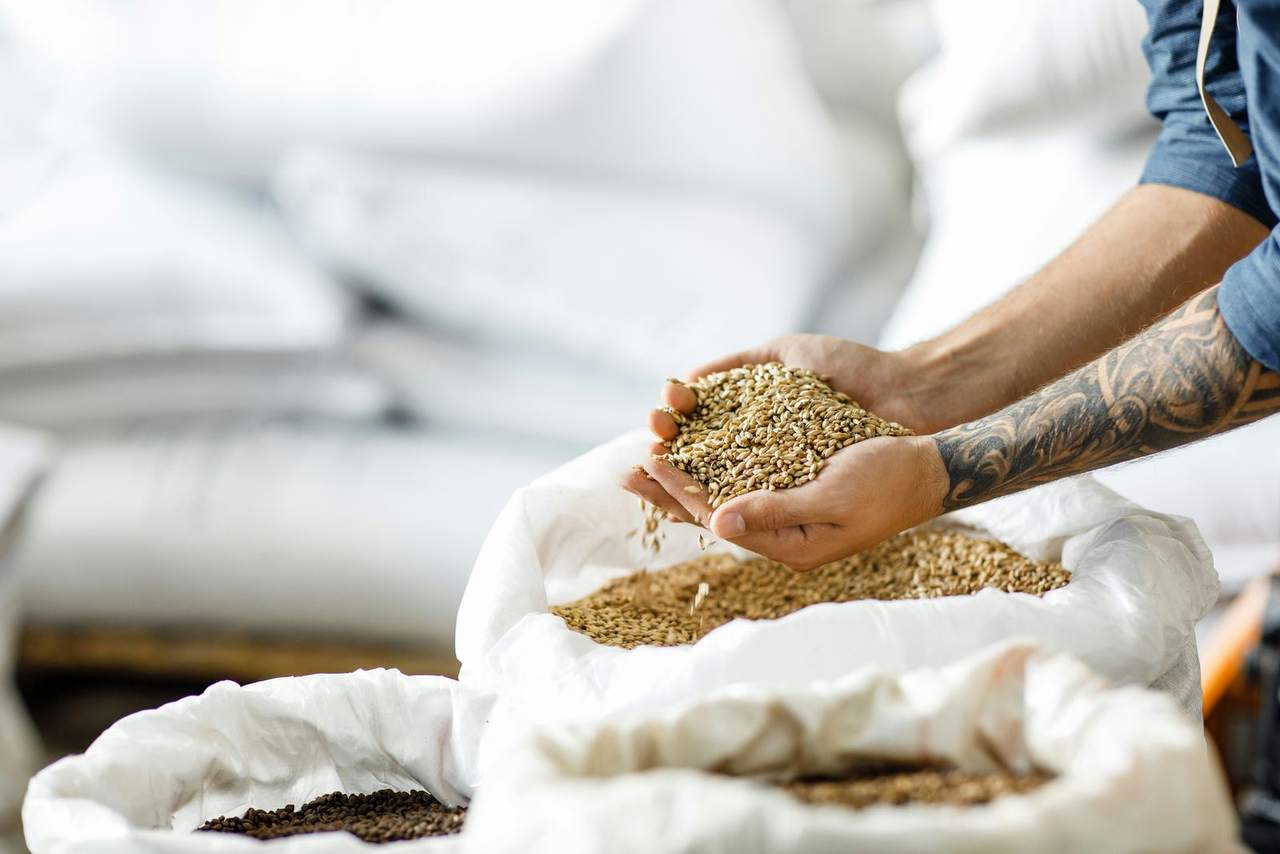
- Combined carbon dioxide and phosphine fumigation for wheat and rice stored in bags at FCI and CWC warehouses.
- Carbon dioxide fumigation for bagged wheat and rice enclosed in hermetic covers.
After the pilot, a one-year Phase II will run multi-location trials across different agro-climatic zones to establish region-specific standard operating procedures (SOPs). The stated aim is scientifically validated, scalable alternatives to conventional chemical fumigation that address pest resistance, worker exposure, environmental impact and fumigant residues. The release does not address the regulatory status of the alternative treatments under India’s pesticide rules, and it does not say when results will be published.
The MoU was signed by Dr Nachiket Kotwaliwale, Director, ICAR-CIPHET, and Dr A.K. Sinha, Executive Director (Quality Control), FCI, in the presence of Dr M.L. Jat, Secretary, Department of Agricultural Research and Education (DARE) and Director General, ICAR. The release names Dr Sandeep Mann, principal scientist at ICAR-CIPHET, as the project’s lead investigator. Business Standard and the news agency IANS reported the same details on 1 October.
TAD’s reading
- For fumigant suppliers: Phosphine stays in one of the three trial arms, combined with carbon dioxide, so the pilot reads as an attempt to cut chemical load and resistance pressure rather than an immediate exit from phosphine products.
- For gas and storage equipment firms: If nitrogen and carbon dioxide protocols become FCI SOPs, demand could follow for gas supply, sealing and hermetic cover systems at public silos and warehouses. Nothing has been procured, and the SOPs are about three years away on the stated timeline.
- For private warehouses and FPOs: Protocols written for FCI storage are likely to become a reference point for wider storage practice once published, which could shape what fumigation services buyers ask for.
- Watch: The 72 to 100% resistance figure is the government’s justification for the project. Publication of the underlying data would help input companies plan stewardship and product positioning.