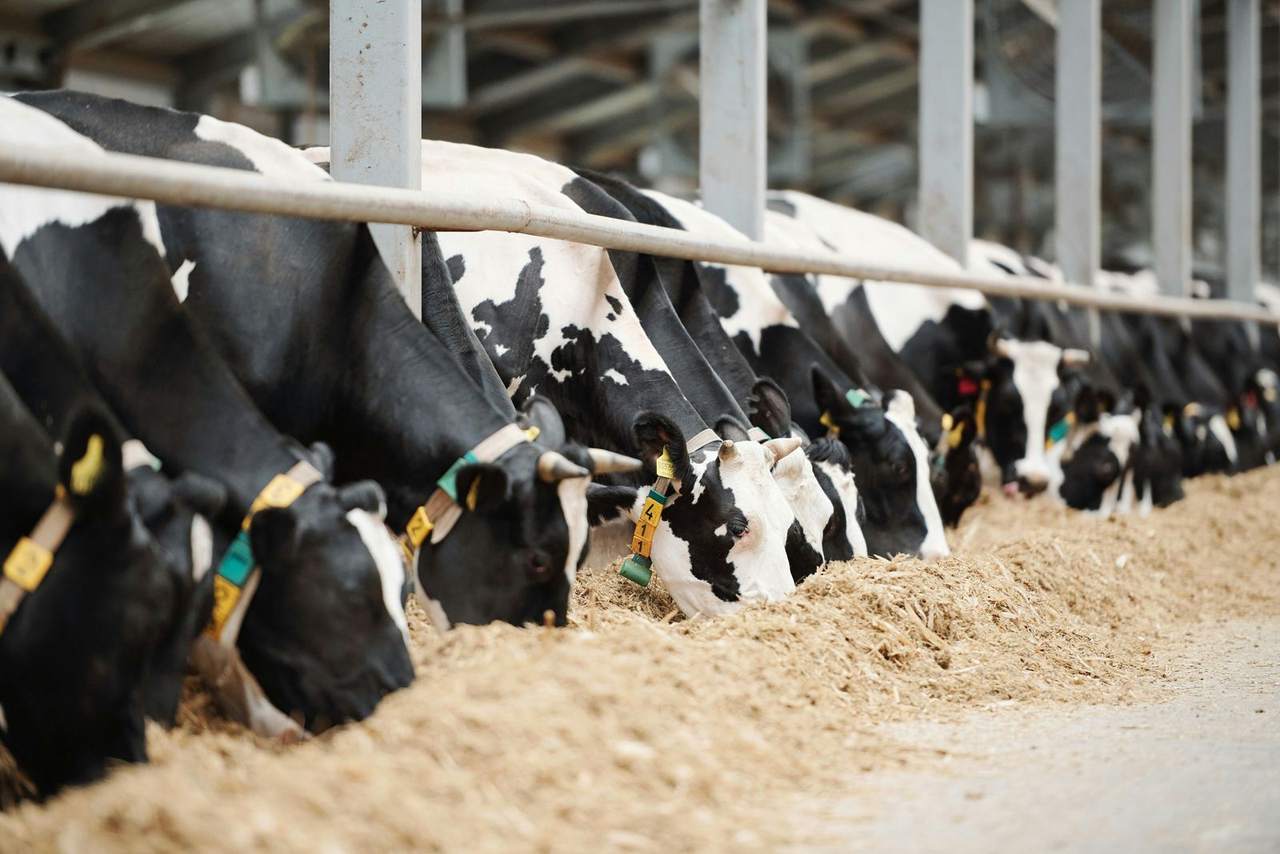
The European Medicines Agency (EMA) said on 9 October 2026 that its veterinary medicines committee, the CVMP, had recommended granting an EU marketing authorisation for Bovilis Lumpyvax, a vaccine to protect cattle against lumpy skin disease. The committee adopted its positive opinion on 8 October 2026. The applicant is Intervet International B.V.
The recommendation is not yet an authorisation. EMA said the opinion will be sent to the European Commission, which will issue a legally binding EU-wide decision. The CVMP recommended authorisation in exceptional circumstances, which EMA describes as an authorisation subject to specific obligations that are reviewed annually. EMA said this route was used to support timely availability of the product across Europe. Applicants may appeal a CVMP opinion within 15 days of receiving it.
What the regulator assessed
Bovilis Lumpyvax contains a live attenuated strain of lumpy skin disease virus, strain Neethling, and is supplied as a lyophilisate and solvent for suspension for injection. EMA said the CVMP considered studies provided by the applicant, supported by data from experience with the vaccine under field conditions. According to EMA, the data showed the vaccine reduced clinical signs of the disease and the level of virus in the blood from three weeks after vaccination, with protection lasting one year.
EMA said side effects are uncommon, occurring in 1 to 10 of every 1,000 treated cattle, and include injection site swelling, a decrease in milk production and loss of appetite. It said the vaccine is considered safe for people administering it and for the environment when used in line with the summary of product characteristics, which will be published once the Commission grants authorisation. The CVMP concluded that the benefits outweigh the risks. EMA’s announcement does not give the size of the studies, and pricing, production capacity and a supply timetable were not disclosed.
EMA describes lumpy skin disease as a viral disease of cattle spread mainly by biting insects, which does not affect humans. In Europe, France confirmed its first case on 29 June 2025 at a cattle farm in Chambéry, according to a note to official veterinarians published on GOV.UK on 1 July 2025, which said Defra was suspending imports of live cattle and a range of bovine products from France.
Avian influenza vaccine extension
At the same meeting, held from 6 to 8 October, the CVMP adopted a positive opinion on the re-examination of Vaxxitek HVT+IBD+H5, an avian influenza vaccine, and recommended a one-year extension of the validity of its marketing authorisation in exceptional circumstances. EMA’s meeting highlights did not name the authorisation holder.
TAD’s reading
- For animal health companies: Once the Commission decides, the applicant will hold a single EU-wide authorisation for a live Neethling-strain vaccine, which matters for planning stock ahead of the insect season in affected member states.
- For UK and Indian readers: The opinion covers the EU only. It does not authorise the vaccine in Great Britain or India, but the published CVMP assessment gives companies preparing dossiers elsewhere a reference for how a major regulator weighed this type of vaccine.
- For dairy and beef businesses: The listed side effects include reduced milk production, which herd managers will set against outbreak risk when planning vaccination.
- Watch: The Commission decision, the published summary of product characteristics, and the specific obligations attached to the exceptional circumstances route.