The Animal and Plant Health Agency (APHA) on 6 October 2026 published a rapid risk assessment of the likelihood of New World screwworm (NWS), Cochliomyia hominivorax, being introduced into Great Britain through legal imports of live mammals from the USA, Brazil and Argentina. The document, dated June 2026, was commissioned by Defra’s UK Office for Sanitary and Phytosanitary Trade Assurance after NWS was detected in the USA in June.
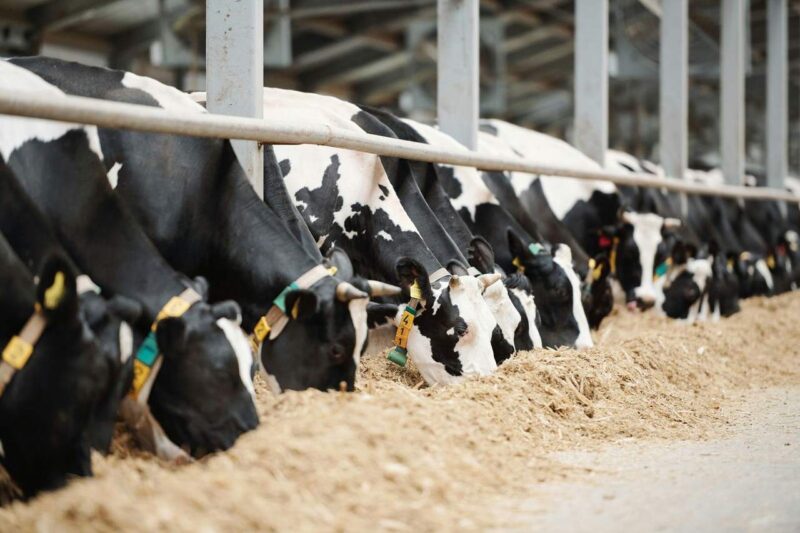
NWS is a parasitic blowfly whose larvae feed on the living tissue of warm-blooded animals. The assessment says severe infestations can kill a host within 7 to 14 days if untreated. It records 27 confirmed US cases in domestic animals in Texas and New Mexico between 3 and 29 June 2026, including cattle, sheep, goats and one dog, the country’s first outbreak since one in Florida in 2016. The assessment describes the US situation as at 29 June and does not cover later developments.
What APHA concluded
The assessment covers horses, cats and dogs, which it says account for most live mammal imports from the three countries. Its main findings are:
- The per-animal likelihood of introduction through a horse, cat or dog from the USA is Negligible, with Low uncertainty.
- For Brazil and Argentina it is Very Low, with High uncertainty, reflecting limited data on NWS prevalence and surveillance where the pest is endemic.
- If an infested animal were imported, the likelihood of at least one egg, larva or pupa surviving to adulthood in Great Britain is Negligible to Very Low between November and March, and Medium to High between April and October.
APHA stresses that per-animal scores add up as import numbers rise. Between 2021 and 2025, mean annual commercial imports from the USA were 292 cats, 569 dogs and 140 horses, and from Brazil and Argentina combined 64 cats, 95 dogs and 331 horses, according to IPAFFS data cited in the document. No data are available on non-commercial pet movements. Apart from two pigs from the USA in 2023, there were no livestock imports from the countries considered between January 2021 and May 2026.
The assessment does not consider other routes, such as adult flies carried on transport, and does not assess whether NWS could establish in Great Britain. It uses temperatures for south-east and central southern England as a worst case.
The policy question behind it
The document says it is intended to support decisions on whether extra mitigations are needed, such as prophylactic insecticide treatment of live animals imported from NWS-infested countries. It says such treatment is not currently required for live animals entering Great Britain, but is one of the recommendations in the World Organisation for Animal Health (WOAH) Terrestrial Code. The publication itself does not announce any change to import conditions.
TAD’s reading
- For animal health companies: If Defra adds prophylactic treatment as an import condition, demand would arise for approved insecticide and larvicide treatments at the point of export, not in British herds. Given the import numbers in the assessment, those volumes would be small.
- For equine and pet transport businesses: Horses from Brazil and Argentina are the largest import group from the higher-uncertainty origin, so any new pre-export requirement would affect that trade first.
- For livestock keepers and vets: The April to October survival window is the practical point. Surveillance and awareness work is likely to concentrate on the warmer months.
- Caveat: This is a qualitative assessment based on data to the end of June 2026 and on assumed compliance with export certification.