Corteva has completed the spin-off of its advanced seed and genetics business, which now operates as an independent listed company called Vylor. Both companies announced completion on 1 October 2026, and Vylor began regular-way trading on the New York Stock Exchange that day under the ticker VYLR. Corteva continues to trade on the NYSE as CTVA.
According to Vylor’s Form 8-K, filed on 5 October, the separation took effect at 12:03 a.m. New York time on 1 October through a pro rata distribution of all Vylor shares to holders of Corteva common stock at the close of business on 24 September 2026. Corteva keeps no ownership interest in Vylor. None of the documents TAD read states the distribution ratio or how debt was divided between the two companies.
Corteva becomes a crop protection company
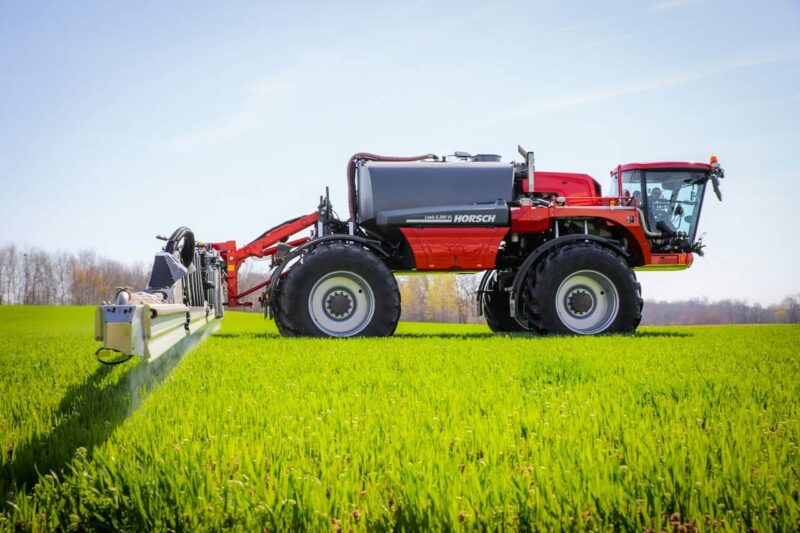
Corteva now describes itself as a pure-play global crop protection company. In its release, it says crop protection revenue grew by more than $1 billion from 2020 to 2025, segment operating EBITDA margins expanded by about 250 basis points over the same period, and differentiated technologies account for about 65% of sales. It reports an $11 billion crop protection pipeline that includes 12 new active ingredients, five of them biologicals, for launch over the next decade. It has nearly 9,000 employees and serves customers in about 110 countries.
Chief executive Luke Kissam called the separation “a new day for Corteva”. The release gives no new financial guidance for the slimmer company.
Vylor’s pipeline and targets
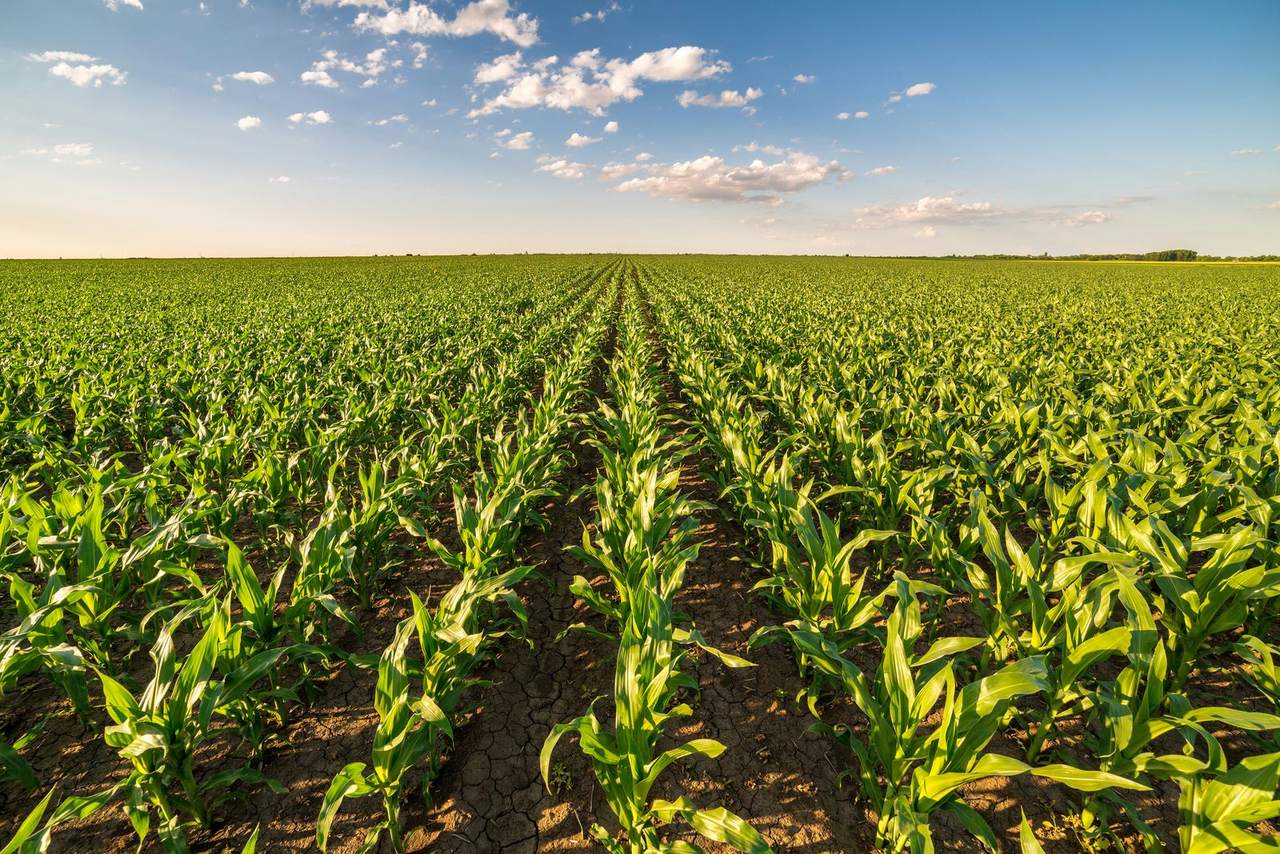
Vylor, whose principal office is in Johnston, Iowa, is led by chief executive Chuck Magro. In its launch release it says it has a $19 billion technology pipeline built on 12 platform launches in corn, soy and wheat over the next decade: seven corn platforms starting in 2028, four soy platforms by 2035, and Xpedite, the system behind its hybrid wheat, scheduled to launch in North America in late 2027. It also says it is developing a gene-edited, multi-disease-resistant corn platform, which it calls the industry’s first. Vylor states that all launch plans are subject to completion of field testing and applicable regulatory reviews.
Vylor targets 2029 net sales of approximately $11.2 billion to $11.9 billion, which it describes as 3% to 4% annual growth, and operating EBITDA, a non-GAAP measure, of approximately $3.3 billion to $3.7 billion. It expects its licensing business, Vylor One, to generate gross licensing income of more than $500 million in 2027, over $1 billion by 2035 and approaching $2 billion by 2040.
“Vylor was created to reimagine agriculture.”
Chuck Magro, CEO, Vylor
On 1 October the companies also entered tax, employee, transition services and intellectual property agreements, as well as a global master seed treatment supply agreement between Corteva Agriscience LLC and Pioneer Hi-Bred International, Inc., the 8-K shows.
TAD’s reading
- For distributors and retailers: Channel partners that bought seed and crop protection from one supplier now deal with two listed companies with separate targets and sales priorities. The seed treatment supply agreement suggests treated seed will keep moving between them, but its commercial terms are not public.
- For crop protection rivals and generic makers: A standalone Corteva with a stated pipeline of 12 new active ingredients, five of them biologicals, will compete for registrations and channel space without a seed business alongside it. Its biologicals plans are the part most likely to bring it into contact with smaller specialist firms.
- For investors: Vylor’s case rests heavily on trait launches from 2027 onwards and on licensing income that are company projections, conditional on field testing and regulatory reviews in each market where the products would be sold.