OlsAro, a Swedish company developing climate-resilient cereal genetics, has raised €5 million in seed funding, its lead investor Industrifonden announced on 14 October 2026. Nordic Foodtech VC co-led the round, and existing investors Future Food Fund, PINC (Paulig’s venture arm), AgFunder and GU Ventures also took part. Including a €2.5 million pre-seed round in April 2024, OlsAro has raised about €7.5 million. The valuation was not disclosed.
This round is about turning that capability into a platform seed companies can use repeatedly.
Elén Faxö, CEO, OlsAro
What the money is for
The funds will support international field trials and commercial work with seed-company partners as OlsAro prepares to bring its first product to market, along with further research, AI-driven trait discovery and an expanded intellectual property portfolio, Industrifonden said. OlsAro’s SeedAX platform combines proprietary genetics and data, AI-driven trait discovery and genetic technologies to identify climate-resilience traits and integrate them into elite germplasm for commercial seed programmes. New programmes will target drought tolerance and nitrogen-use efficiency, and the company plans to move into other cereals, including rice.
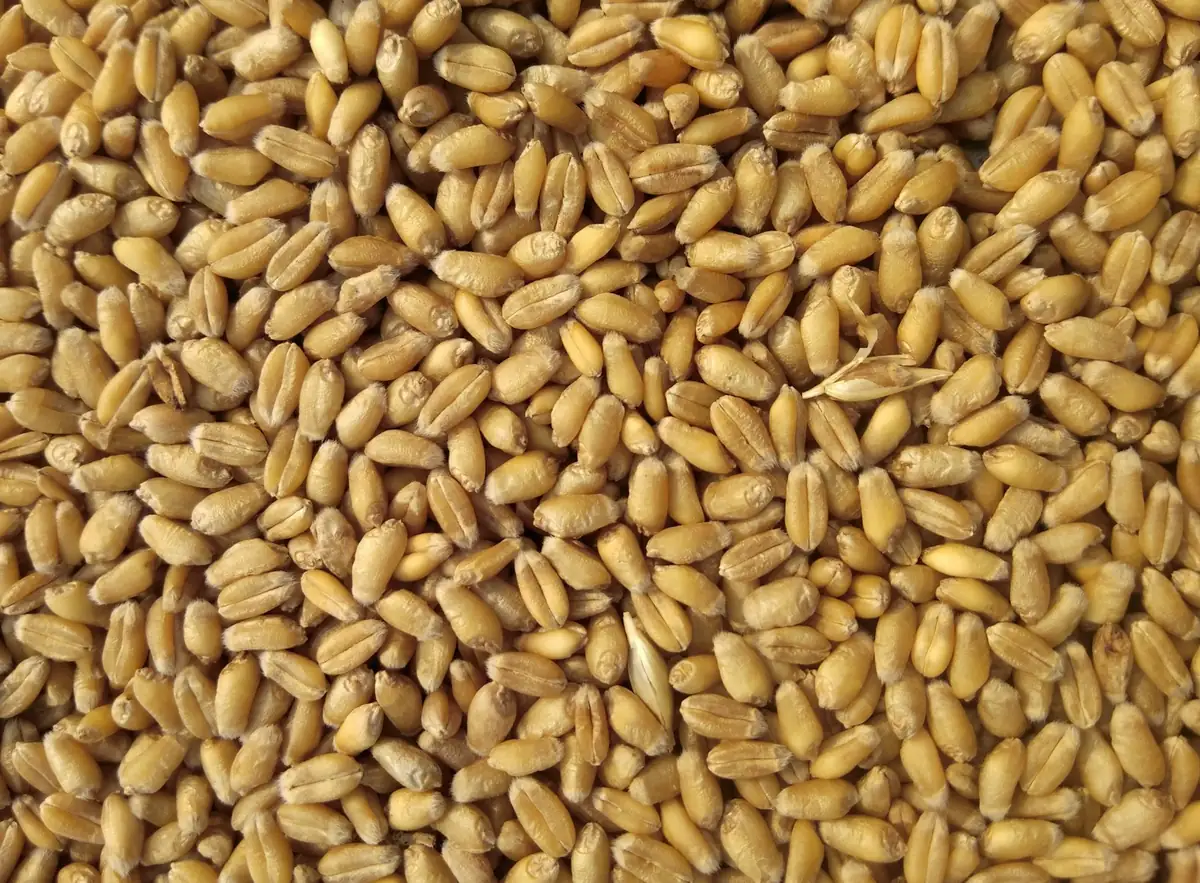
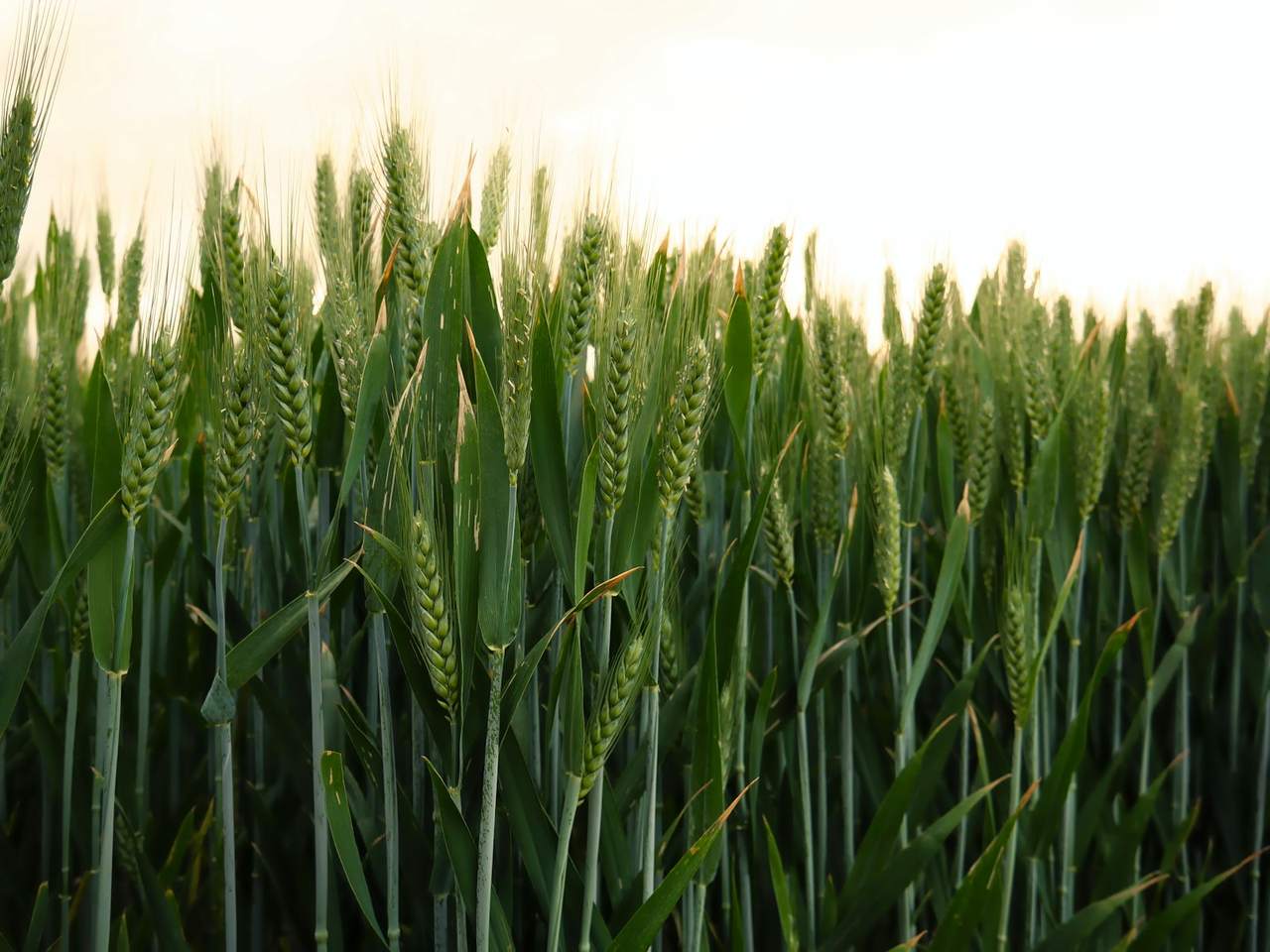
OlsAro says its salinity-resilient wheat has shown a yield increase of up to 41% over a moderately salt-tolerant variety under saline conditions in Bangladesh. The release did not give the number of trials, sites or seasons. Industrifonden notes that salinity affects around a tenth of the world’s cropland.
Breeding method not stated
The release does not say which breeding method produced the salt-tolerant wheat and does not mention any regulatory approval for it, so its regulatory status in India, Bangladesh or the United Kingdom cannot be stated.
TAD’s reading
- Seed companies: OlsAro plans to put its traits into partners’ germplasm, so South Asian seed firms are potential licensees rather than competitors.
- Regulators and seed firms: Until the company says which breeding method produced the wheat, its regulatory pathway in South Asia cannot be assessed.
- Investors: A €5 million round funds trials and partnerships, so revenue will depend on partners’ registration and launch timetables.
- FPOs on saline land: Published trial data, with the number of sites and seasons, would be the relevant evidence for growers on salt-affected soils.